


Spinal Cord Injury Rehabilitation: Patient and Family Guide
Navigating recovery, regaining independence, and integrating advanced Ayurvedic therapies with modern neuro-rehabilitation for optimal healing.

Advanced Physical Rehabilitation
Restoring mobility and motor function through expert therapeutic guidance.

Holistic Ayurvedic Healing
Targeted herbal formulations and therapies designed to nourish neural tissues.

Family & Caregiver Empowerment
Equipping families with the knowledge, tools, and emotional resilience needed for long-term recovery.

Comprehensive Clinical Monitoring
Continuous progress tracking and personalized rehabilitation milestones.
1. Understanding Spinal Cord Injuries: An Overview
A spinal cord injury (SCI) is one of the most life-altering medical events a person and their family can experience. Whether caused by a traumatic event such as a motor vehicle accident, a fall, sports-related trauma, or non-traumatic origins like spinal tumors, transverse myelitis, or degenerative disc disease, the impact ripples through every aspect of daily living. The spinal cord acts as the body’s main information highway, transmitting electrical and chemical signals between the brain and the rest of the body. When this highway is damaged, communication is interrupted, resulting in altered sensory, motor, and autonomic functions below the level of the lesion.
In medical terminology, spinal cord injuries are broadly categorized into two main types: complete and incomplete. In a complete injury, there is a total lack of sensory and motor function below the neurological level of injury. In an incomplete injury, some sensory or motor pathways remain intact, which significantly improves the long-term prognosis for functional recovery. Understanding this distinction is vital for setting realistic rehabilitation goals. Furthermore, injuries are categorized by location: cervical (neck), thoracic (chest), lumbar (lower back), and sacral (pelvic region). Each region controls specific bodily functions, dictating the exact nature of the therapeutic intervention required.
2. The Role of Integrative Medicine in Spinal Cord Injury Rehabilitation
Modern medical protocols focus heavily on acute stabilization, surgical decompression, and physical therapy. While these interventions are indispensable during the immediate aftermath of trauma, many patients hit a plateau where standard therapies alone yield diminishing returns. This is where integrative approaches—particularly combining advanced physiotherapy with traditional Ayurvedic neuro-rehabilitation as practiced at institutions like Dad Ayurveda—become transformative.
Ayurveda views spinal cord injury through the lens of Vata dosha imbalance, specifically focusing on Majja dhatu (nervous tissue) depletion and trauma to vital marmas (vital anatomical points). Therapeutic protocols incorporate specialized oleation (snehan), sudation (swedan), medicated enemas (basti), and neuro-regenerative herbal formulations designed to reduce neuroinflammation, improve microcirculation to damaged neural pathways, and support cellular repair. By nourishing the nervous tissue at a foundational level, patients often report enhanced sensation, reduced spasticity, and improved autonomic stability.
3. Comprehensive Rehabilitation Phases for Patients and Families
Recovery from a spinal cord injury is not a sprint; it is a meticulously structured marathon divided into distinct clinical and holistic phases. Families must understand these milestones to provide effective support and maintain morale.
Phase A: Acute Stabilization & Early Mobilization
Immediately following injury, the primary goal is preserving remaining neurological function and preventing secondary complications such as pressure ulcers, deep vein thrombosis (DVT), and respiratory infections. Passive range-of-motion exercises, proper positioning, and gentle respiratory therapy are initiated.
Phase B: Intensive Neuromuscular Re-education
As the patient stabilizes, therapy intensifies. This phase incorporates task-oriented training, robotic-assisted gait training, hydrotherapy, and customized Ayurvedic internal medications. Neuromuscular electrical stimulation (NMES) is frequently employed to awaken dormant muscle fibers and prevent severe muscle atrophy.
Phase C: Functional Independence & Community Reintegration
The ultimate objective of rehabilitation is maximum independence. Occupational therapists work closely with the patient to master activities of daily living (ADLs) such as dressing, grooming, and meal preparation. Adaptive equipment and home modifications are introduced to facilitate seamless transition back into domestic and social life.
4. Family and Caregiver Guide: Coping, Care, and Empowerment
A spinal cord injury does not just happen to an individual; it happens to the entire family. Caregiver burnout is a very real clinical risk that must be actively managed. Family members often transition overnight from being partners, parents, or siblings into primary healthcare providers, managing medication schedules, bowel and bladder regimens, transfer techniques, and emotional crises.
To maintain sustainable caregiving, families must adopt structured routines and prioritize self-care. Establishing a supportive community network, seeking professional psychological counseling, and utilizing respite care services are essential strategies. Furthermore, encouraging the patient’s autonomy—resisting the urge to do things they can accomplish themselves, even if it takes longer—is crucial for preserving the patient’s mental health and dignity.
5. Nutrition, Diet, and Lifestyle Management
Diet plays a cornerstone role in spinal cord injury recovery. Because mobility is restricted, metabolic rates change, making individuals susceptible to weight gain, muscle loss, and metabolic syndrome. Conversely, the body requires higher protein intake and targeted micronutrients to heal damaged tissue and prevent pressure ulcers (bedsores).
An Ayurvedic dietary regimen tailored for SCI emphasizes warm, easily digestible foods (sattvic diet) rich in healthy fats, antioxidants, and bioavailable minerals. Hydration management is equally critical to maintain urinary tract health and prevent frequent infections. Incorporating specific herbs like Ashwagandha, Brahmi, and Guggulu under expert clinical supervision aids in cellular rejuvenation and anti-inflammatory action.
Specialized Blog: Breakthroughs in Ayurvedic Neuro-Regeneration for Spinal Injury

Personalized Treatment Blueprint
Customizing herbal therapies and physical rehabilitation milestones for individual spinal trauma cases.
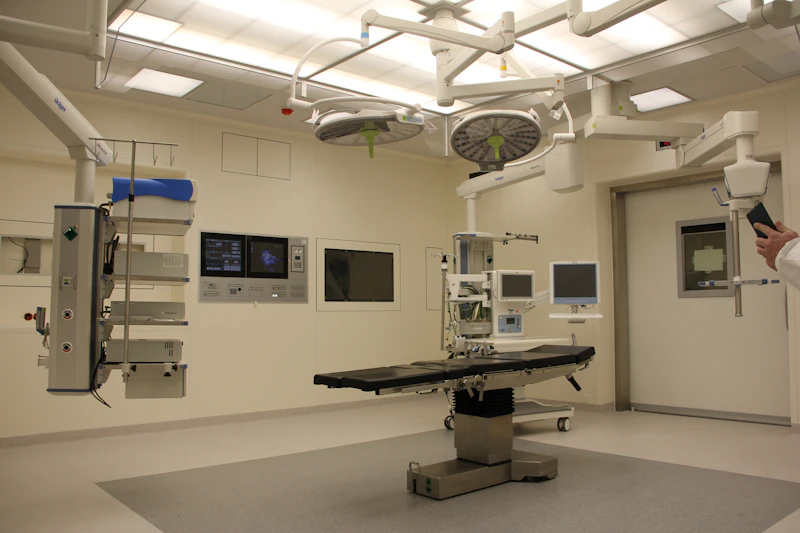
The Power of Holistic Environment
Creating a stress-free, healing atmosphere that accelerates neurological recovery and mental well-being.
The journey of recovery following a spinal cord injury often presents profound clinical challenges. While conventional medicine excels in acute surgical stabilization, many patients and their families seek complementary modalities to address lingering neurological deficits, chronic neuropathic pain, and muscle spasticity. At Dad Ayurveda, our clinical focus centers on restoring nerve vitality through time-tested classical Ayurvedic procedures combined with modern rehabilitation science.
Research into neuroplasticity indicates that the central nervous system retains a remarkable ability to reorganize and form new neural connections when stimulated correctly. By utilizing targeted herbal oils, internal neuroprotective formulations, and dedicated physical therapy routines, patients experience enhanced sensory awareness and motor activation. We invite you to connect with our clinical experts to discuss your specific case and explore a tailored rehabilitation roadmap.
Connect With Our Medical & Support Channels
Follow our official channels for daily recovery tips, patient success stories, live webinars with Ayurvedic specialists, and educational guides.
Schedule Your Rehabilitation Assessment
Speak directly with our care coordinators or send us your details for a prompt medical response.