



From Sacred Soil to Clinical Efficacy: Identifying True Botanical Potency
Authentic Ayurveda begins with ethically harvested, seasonally timed (Ritu-appropriate) medicinal roots, barks, and resins verified for active phytoconstituents.

Classical Formulations vs. Modern Extracts: Knowing What Is Inside Your Bottle
Understand the critical pharmacological difference between time-tested texts like Charaka Samhita and unverified commercial herbal blends.

Zero Heavy Metals, Zero Adulterants: Decoding Certificates of Analysis
Every safe Ayurvedic medicine must pass stringent ICP-MS heavy metal screening, pesticide residue checks, and AYUSH Good Manufacturing Practices.

Prakriti-Aligned Healing: Matching Pure Medicines to Your Unique Dosha
Even the purest herb requires the right Anupana (vehicle) and Vikriti assessment by an experienced Vaidya at Disha Arogya Dham.
How to Choose Quality Ayurvedic Products: The Complete Clinical & Consumer Guide
With the global resurgence of holistic healthcare, store shelves and online marketplaces are flooded with herbal supplements claiming ancient authenticity. Yet, true Ayurvedic healing relies entirely on botanical purity, classical preparation protocols, heavy-metal safety, and individualized Dosha alignment. Here is how to protect your health and discern genuine clinical Ayurveda from commercial imitations.
Personalized Clinical Guidance
Unsure which Ayurvedic formulation suits your Prakriti or chronic condition?
1. Why Purity & Potency Matter in Modern Ayurveda
Ayurveda is not merely a collection of kitchen spices or soothing herbal teas; it is a rigorous, five-thousand-year-old system of clinical medicine grounded in Dravyaguna Vigyan (Ayurvedic pharmacology), Rasa Shastra (iatrochemistry), and Bhaishajya Kalpana (pharmaceutics). When a patient takes an Ayurvedic formulation for chronic metabolic disorders, autoimmune inflammation, hormonal imbalance, gastrointestinal dysfunction, or neurological stress, the therapeutic outcome depends directly on the biochemical integrity of every ingredient inside that preparation.
Unfortunately, the rapid commercialization of wellness products over the past two decades has created a vast gap between authentic clinical medicines and mass-produced “herbal” supplements. Many commercial brands prioritize shelf appeal, artificial flavors, low raw-material costs, and aggressive marketing over traditional preparation protocols. Understanding how to choose quality Ayurvedic products empowers you as a patient and consumer to separate genuine therapeutic formulations from diluted, ineffective, or potentially contaminated substitutes.
In classical Ayurvedic texts such as the Charaka Samhita (Vimana Sthana, Chapter 8), Acharya Charaka outlines the four essential attributes of an ideal medicine (Bheshaja Chatushpada): Bahuta (abundant availability of authentic raw herbs), Yogyatva (clinical suitability and potency for the specific disease), Anekavidha Kalpana (versatility in pharmaceutical dosage forms like decoctions, ghees, tablets, and fermented arishtas), and Sampat (completeness of natural phytoconstituents, harvested in the proper season and preserved without degradation). If even one of these four pillars is compromised during manufacturing, the medicine loses its capacity to pacify aggravated Doshas and restore cellular homeostasis (Dhatu Samya).
2. Classical Formulations vs. Proprietary Ayurvedic Medicines
When inspecting any Ayurvedic product label, your very first clinical checkpoint is identifying whether the medicine is a Classical Formulation (Shastriya Yoga) or a Patent & Proprietary Medicine (Anubhuta Yoga). Under the Drugs and Cosmetics Act of 1940 (Schedule T and First Schedule), the Government of India strictly distinguishes between these two categories, and each requires a different lens of scrutiny.
Classical Formulations (Shastriya Formulations)
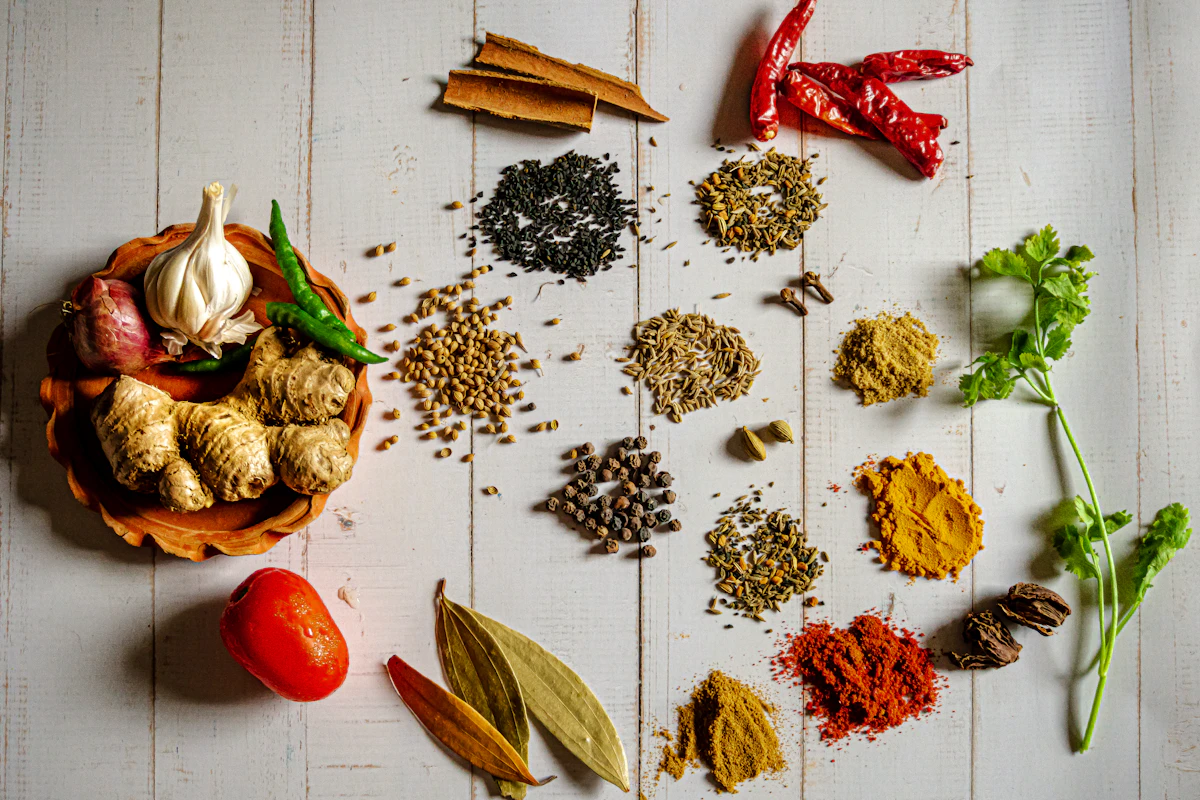
Classical medicines are prepared strictly according to exact ingredient ratios, purification steps (Shodhana), and manufacturing methods documented in authoritative, government-recognized Ayurvedic treatises—such as the Charaka Samhita, Sushruta Samhita, Ashtanga Hridaya, Sharangadhara Samhita, Bhavaprakasha Nighantu, and Bhaishajya Ratnavali. Examples include Triphala Churna, Chyawanprash Avaleha, Ashwagandharishta, Yogaraja Guggulu, Brahmi Ghrita, and Arogyavardhini Vati.
Because their formulas are fixed by centuries of clinical validation and codified in the Ayurvedic Pharmacopoeia of India (API), a reputable manufacturer cannot arbitrarily alter the ratios or substitute expensive herbs with cheap fillers. On a quality classical product label, you will explicitly see the text reference printed right beneath the product name—for instance, “Ref: Sharangadhara Samhita” or “Ref: Bhaishajya Ratnavali.”
Proprietary Ayurvedic Medicines
Proprietary formulations are custom combinations developed by modern Ayurvedic physicians, research institutions, or pharmaceutical companies to address targeted lifestyle or chronic conditions—such as hepatoprotective syrups, joint-support capsules, PCOS/hormonal modulators, or stress-adaptogen complexes. While proprietary medicines can be remarkably effective when formulated by experienced clinicians, they are also where low-quality brands cut corners.
To evaluate a proprietary Ayurvedic medicine, examine whether the label lists the exact botanical Latin name (e.g., Withania somnifera rather than just “Ashwagandha”), the specific plant part used (root, leaf, stem bark, or seed), the milligram quantity per unit dose, and whether the formulation uses whole-herb powders (Churna), aqueous decoction extracts (Ghana Satva), or standardized phytochemical extracts. Avoid products that hide behind vague “proprietary blend” weights without disclosing individual herb quantities.
3. Decoding GMP, AYUSH & Pharmacopoeial Standards
Authentic Ayurvedic medicines are regulated drugs, not unregulated dietary novelties. Whether you are purchasing medicines at a clinic in Jaipur, across India, or ordering internationally, verifying regulatory compliance is non-negotiable. Here are the mandatory certifications and license numbers that must appear clearly on the packaging:
- AYUSH Manufacturing License Number: Every legitimate Ayurvedic manufacturer must hold a valid state licensing authority approval printed on the bottle or carton (e.g., Mfg. Lic. No.: AYU-XXX). If a product carries only an FSSAI (Food Safety and Standards Authority of India) license number while making therapeutic disease claims, it is legally classified as a food supplement, not a clinical Ayurvedic medicine.
- GMP Certification (Good Manufacturing Practices – Schedule T): GMP certification under Schedule T of the Drugs and Cosmetics Rules ensures that the facility maintains hygienic environments, calibrated machinery, raw-material quarantine zones, water purification systems, and batch-to-batch consistency. Always look for the official AYUSH GMP Certified seal.
- AYUSH Premium Mark: Awarded by the Quality Council of India (QCI) and the Ministry of AYUSH, the AYUSH Premium Mark indicates compliance with World Health Organization (WHO) GMP guidelines, stricter permissible limits for heavy metals and microbial counts, and international export-grade quality assurance.
- Batch Number, Manufacturing Date & Expiry Date (Saviryata Avadhi): According to the Sharangadhara Samhita, different Ayurvedic dosage forms have distinct shelf-life windows of maximum therapeutic potency (Saviryata Avadhi). For example, raw herbal powders (Churnas) retain peak potency for 1 to 2 years, tablets (Vatis) and medicated ghees (Ghritas) for 2 to 3 years, while fermented formulations (Asavas and Arishtas) actually mature and improve in bioavailability over time when stored in airtight amber glass or food-grade containers.
Need Authentic, Doctor-Prescribed Ayurvedic Formulations?
At Disha Arogya Dham, every formulation is clinically evaluated for classical purity, GMP compliance, and personalized Prakriti alignment before it is recommended to a patient.
4. Heavy Metal, Pesticide & Microbial Testing (Certificate of Analysis)
One of the most common concerns among modern patients and integrative physicians is the safety of Ayurvedic medicines regarding heavy metals—specifically Lead (Pb), Mercury (Hg), Arsenic (As), and Cadmium (Cd)—as well as aflatoxins, pesticide residues, and microbial pathogens. Addressing this transparently is essential for consumer trust and clinical safety.
First, it is vital to understand why contamination occurs in substandard products. Medicinal plants are bio-accumulators; if herbs like Ashwagandha, Brahmi, or Shatavari are wild-harvested near industrial zones, polluted riverbanks, or chemically sprayed agricultural fields, their roots absorb heavy metals and organophosphate pesticides from the soil. Furthermore, in Rasa Shastra (herbo-mineral formulations containing purified minerals like Swarna Bhasma, Abhraka Bhasma, or Makardhwaj), classical texts mandate elaborate multi-stage detoxification (Shodhana) and incineration (Marana) processes using herbal juices and controlled heat cycles (Puta) to convert raw minerals into biocompatible, non-toxic nano-crystalline oxides. Shortcuts in Shodhana or Marana render a mineral preparation unsafe.
How can you verify safety before consuming any Ayurvedic product? Demand transparency through a batch-specific Certificate of Analysis (COA) from an NABL-accredited (National Accreditation Board for Testing and Calibration Laboratories) or ISO/IEC 17025 certified analytical laboratory. A valid COA verifies:
- ICP-MS Heavy Metal Screening: Confirms that Lead, Arsenic, Cadmium, and Mercury levels fall strictly below permissible pharmacopoeial thresholds set by AYUSH and WHO.
- Microbial Load Analysis: Ensures absence of Escherichia coli, Salmonella, Staphylococcus aureus, and excessive yeast or mold counts—especially critical for herbal churnas, avalehas, and liquid syrups.
- Aflatoxin & Pesticide Residue Testing: Confirms that post-harvest storage did not allow fungal mycotoxins to develop on roots or seeds.
- Phytochemical Fingerprinting (HPTLC / HPLC): Verifies the presence of genuine biomarker compounds (such as withanolides in Ashwagandha, curcuminoids in Haridra, or bacosides in Brahmi), proving the herb was not substituted with inert plant matter.
5. Raw Herb Sourcing, Ritu Harvesting & Correct Plant Part Used
In modern pharmacology, two tablets containing the same botanical name can possess wildly different therapeutic efficacy depending on how, where, and when the raw plant was harvested. Classical Ayurveda dedicates entire chapters to Dravya Sangrahana Vidhi (the science of botanical collection), emphasizing three critical variables that high-quality Ayurvedic pharmacies honor:
1. Desha (Geographical Habitat & Soil Terroir)
Medicinal plants synthesize secondary metabolites—alkaloids, glycosides, tannins, flavonoids, and essential oils—in response to their native soil microclimate. For instance, Himalayan herbs like Kutki (Picrorhiza kurroa) and Jatamansi (Nardostachys jatamansi) require high-altitude alpine conditions to develop their hepatoprotective and neuro-calming compounds. Cultivating them artificially in warm plains with chemical fertilizers yields biomass with a fraction of the active therapeutic potency.
2. Ritu (Seasonal Harvesting Window)
According to Acharya Sushruta and Acharya Charaka, different plant parts concentrate their active medicinal sap (Rasa and Virya) during specific Indian seasons (Ritus):
- Roots (Mula): Best harvested in Shishira (late winter) or Grishma (peak summer), when aerial leaves shed and nutrients retreat deep into the root system (e.g., Ashwagandha, Shatavari, Bala).
- Leaves & Tender Branches (Patra & Shakha): Harvested in Varsha (monsoon) and Vasanta (spring), when chlorophyll and foliar phytochemicals peak (e.g., Vasaka, Neem, Tulsi).
- Stem Barks & Tubers (Twak & Kanda): Harvested in Sharad (autumn), when sap circulation stabilizes (e.g., Arjuna bark, Ashok bark, Guduchi stem).
- Heartwood & Resins (Sara & Niryasa): Collected in Hemanta (early winter), yielding dense, resinous exudates (e.g., Guggulu, Shallaki, Khadira).
3. Prayojyanga (Exact Plant Part Used)
One of the most subtle forms of corner-cutting in low-grade Ayurvedic products is substituting an expensive root or stem bark with cheap leaves or twigs of the same plant. For example, true clinical Ashwagandha requires the mature root (Mula), which is rich in soothing, rejuvenating withanolides. Low-cost commercial supplements frequently grind Ashwagandha leaves—which contain high levels of cytotoxic Withaferin A and far less rejuvenative value—to inflate bulk weight. Always check the ingredient table to confirm that the classical Prayojyanga (plant part) is explicitly stated.
6. Spotting Adulteration, Synthetic Fillers & Packaging Integrity
Even when authentic herbs are sourced, poor formulation excipients and inadequate packaging can degrade a medicine before it ever reaches your home. Here is how to inspect physical product quality like an Ayurvedic pharmacist:
Excipients, Binders & Artificial Colors
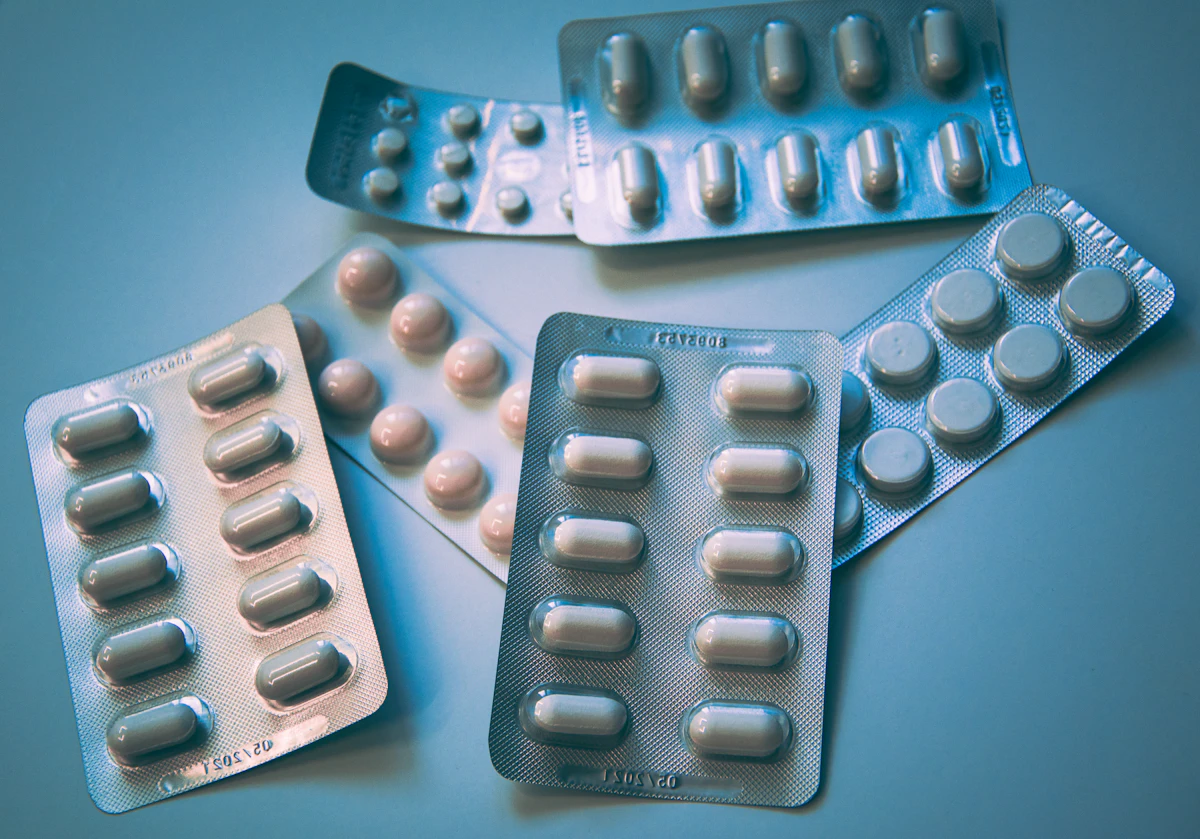
In classical Vati (tablet) manufacturing, natural herbal mucilages, decoctions (Kwatha), or gum acacia (Babbula Niryasa) are used to bind powders together. In contrast, mass-market tablet manufacturers frequently load tablets with synthetic excipients—such as titanium dioxide (for bright white coatings), artificial FD&C dyes, talc, magnesium stearate, or excessive starch—which can trigger gastric irritation or impair bioavailability in sensitive individuals. Quality Ayurvedic tablets retain the natural earthy hue, distinct herbal aroma, and characteristic taste (Rasa) of their constituent botanicals.
Similarly, in liquid preparations like Asavas and Arishtas (self-generated herbal hydro-alcoholic fermentations) or Avalehas (herbal jams like Chyawanprash), check the label for refined white cane sugar vs. traditional Purana Guda (aged jaggery), raw wild honey (Madhu), or Mishri (rock sugar), and verify that synthetic preservatives like sodium benzoate are absent or strictly minimized.
Packaging Material & Light/Moisture Protection
Volatile essential oils and polyphenolic antioxidants in Ayurvedic herbs oxidize rapidly when exposed to ultraviolet light, oxygen, and humidity. Quality Ayurvedic brands package sensitive oils (Tailas), medicated ghees (Ghritas), and fermented tonics in amber-colored glass bottles or high-barrier, pharmaceutical-grade HDPE containers with induction-sealed tamper-evident caps. Avoid herbal powders or oils sold in clear plastic jars exposed to direct sunlight on retail shelves.

7. Prakriti, Vikriti & Anupana: Why “One-Size-Fits-All” Fails
A foundational clinical truth in Ayurveda is that no herb is universally beneficial for every person at every time. Even a 100% pure, GMP-certified, organic Ayurvedic formulation can produce discomfort or suboptimal results if it contradicts your current Dosha imbalance (Vikriti), digestive capacity (Agni), or cellular toxin load (Ama).
Consider Shilajit or Ashwagandha—two of the most widely purchased Ayurvedic rasayanas today. Both possess warming potency (Ushna Virya) and heavy, nourishing qualities (Guru & Snigdha Guna). For an individual with a Vata-predominant constitution experiencing fatigue, anxiety, or neuromuscular depletion, pure Ashwagandha or Shilajit works wonders. However, if a person with severely aggravated Pitta (acid reflux, inflammatory skin rashes, ulcerative gastritis) or heavy Ama (sluggish digestion, coated tongue, metabolic congestion) self-prescribes high-dose heating rasayanas without first clearing Ama through Deepana-Pachana herbs, those very supplements can aggravate acidity, heat, or heaviness.
Furthermore, authentic Ayurvedic prescribing relies on Anupana—the specific therapeutic carrier or vehicle with which a medicine is taken. Taking a formulation with warm water, lukewarm milk, ghee, honey, or ginger juice directs the medicine to specific bodily tissues (Dhatus) and mitigates potential side effects. At Disha Arogya Dham (dadayurveda.com), our Vaidyas conduct thorough Ashtavidha Pariksha (eight-fold clinical examination) and Prakriti-Vikriti analysis so that every medicine you take acts with precision, safety, and measurable clinical relief.
8. Nine Consumer Red Flags to Avoid Immediately
Before clicking “Buy Now” or purchasing any herbal formulation over the counter, run through this rapid nine-point clinical safety audit. Walk away immediately if you notice any of the following red flags:
1. “Miracle Overnight Cure” Claims
Claims promising instant reversal of diabetes, joint degeneration, or chronic kidney/liver disease within days—often a sign of hidden allopathic steroid or analgesic adulteration.
2. Missing AYUSH License Number
Products sold without a state AYUSH drug manufacturing license or relying solely on a basic food-grade FSSAI registration while making medical claims.
3. Undisclosed “Proprietary Blend” Weights
Labels that group 15 herbs under a single total milligram number so consumers cannot tell if key active herbs are present only in trace “fairy-dust” amounts.
4. Absence of Botanical Latin Names & Plant Parts
Listing common trade names without Latin binomials or specifying whether root, leaf, bark, or seed was utilized.
5. Unusually Cheap Pricing on Rare Herbs
Authentic Saffron (Kumkuma), Shilajit, Swarna Bhasma, or Guggulu require costly harvesting and purification; rock-bottom pricing guarantees substitution.
6. Refusal to Share Lab Test Reports (COA)
Reputable Ayurvedic pharmacies readily confirm batch-wise heavy metal and microbial testing upon customer or physician inquiry.
7. Artificial Colors, Flavors & Glossy Coatings
Neon-colored tablets or artificially perfumed herbal oils indicate synthetic additives rather than pure botanical decoctions.
8. Unsupervised Heavy-Metal / Rasa Formulations
Buying herbo-mineral Bhasmas or Rasayanas online without a qualified Vaidya’s prescription, dosage schedule, and Anupana instructions.
9. Frequently Asked Questions on Ayurvedic Product Quality
How can I verify if an Ayurvedic medicine is truly AYUSH-certified? +
Inspect the back or side panel of the packaging for the official Mfg. Lic. No. issued by the State AYUSH Licensing Authority alongside the GMP Certified emblem. For classical medicines, verify that the classical text reference (e.g., Bhaishajya Ratnavali or Ayurvedic Formulary of India) is printed below the product title, along with a traceable batch number, manufacturing date, and customer care contact.
Are whole-herb Churnas better than standardized herbal extracts? +
Both have distinct clinical roles. Whole-herb powders (Churnas) and classical aqueous decoctions (Kwatha / Ghana Vati) preserve the synergistic matrix of hundreds of natural co-factors that buffer side effects and nourish tissues gently. Standardized extracts concentrate specific active markers (such as 95% curcuminoids or 5% withanolides) for targeted acute intervention. An experienced Vaidya selects the appropriate dosage form based on your digestive strength (Agni) and disease stage.
Can I take Ayurvedic products alongside my existing modern prescription medications? +
Certain potent herbs can interact with blood thinners, antihypertensives, thyroid hormones, or hypoglycemic medications (for instance, high-dose Gymnema or Karela alongside insulin can amplify blood-sugar lowering). Always consult an Ayurvedic physician at Disha Arogya Dham before combining herbal formulations with allopathic drugs, and maintain a safe 45-to-60-minute interval between doses as advised by your doctor.
How should I store Ayurvedic medicines at home to preserve their potency? +
Store all herbal tablets, powders, and medicated ghees in a cool, dry cabinet away from direct sunlight, kitchen stove heat, and bathroom humidity. Always tighten caps immediately after use to prevent moisture ingress, and use a clean, dry spoon when dispensing Churna or Chyawanprash.
🔎 Clinical Article Indexing & Key Search Topics
Published by Disha Arogya Dham • dadayurveda.comPrimary Focus Keyword: How to Choose Quality Ayurvedic Products
Consult Disha Arogya Dham for Pure, Authentic Ayurveda
Have questions about an Ayurvedic product you are currently taking, or seeking a personalized root-cause treatment protocol? Connect directly with our clinical team via phone, WhatsApp, or online appointment request.
Book Your Ayurvedic Consultation
Complete the form below to schedule a one-on-one Prakriti assessment or request guidance on authentic Ayurvedic formulations.