





Uncategorized
Heart Attacks in Young People (18–45)
Aug
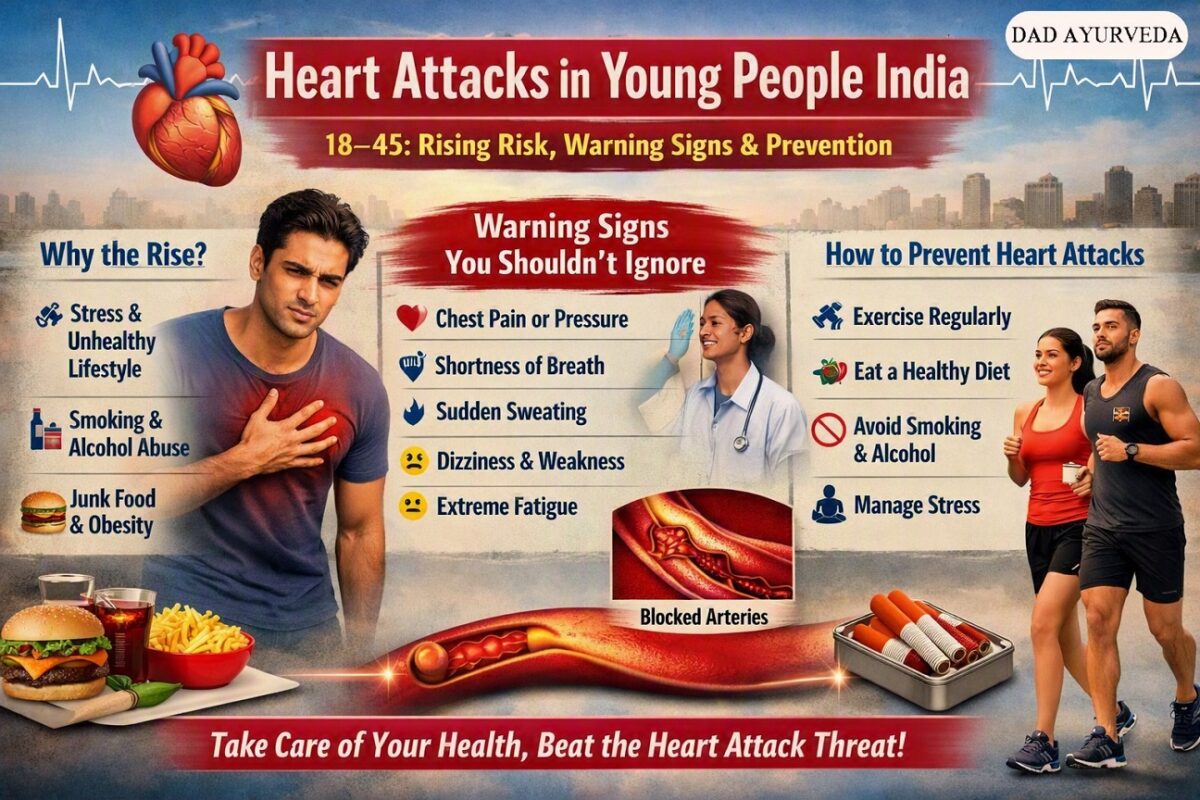
Heart Attacks in Young People (18–45): Why They’re Rising in India, Warning Signs You Must Not Ignore, and How to Prevent Them
Recent cases of sudden cardiac events and deaths among people aged 18–45 have sparked nationwide concern in India—from social media discussions to the Karnataka High Court taking suo motu cognizance and seeking government responses. Even individuals who appear fit, disciplined, and active (including athletes and celebrities) have been affected. Poor lifestyles, physical inactivity, rising metabolic diseases, genetic factors common in Indians, stress, and sleep issues are major drivers.
A detailed multi-centric study by the Indian Council of Medical Research (ICMR) found no positive association between COVID-19 vaccination and unexplained sudden deaths in young adults. In fact, vaccination was associated with lower odds in some analyses; risk factors included family history of sudden death, prior severe COVID-19 hospitalization, binge drinking, substance use, and vigorous physical activity shortly beforehand. Later AIIMS observations similarly pointed primarily to coronary artery disease linked to lifestyle rather than vaccines.
Real Cases Highlight the Urgency
- A 25-year-old cricketer developed chest pain after playing; he died en route to the hospital from a confirmed heart attack.
- Viral videos have shown young people collapsing while dancing, traveling, or exercising.
These are not isolated. Data indicate Indians often develop heart disease 5–10 years earlier than Western populations, with a significant share of heart attacks now occurring under 40–50.
Three Key Reasons Young Indians Are at Higher Risk
- Genetic predisposition: Indians (and South Asians generally) have a higher inherent risk of coronary artery disease, often involving adverse lipid profiles, central obesity tendencies, and earlier onset of metabolic issues.
- Rapid lifestyle shifts: Rising Type-2 diabetes, obesity, hypertension, and high “bad” cholesterol (LDL) among the young, driven by urban sedentary jobs, processed/junk food, and high refined-carbohydrate diets.
- Physical inactivity despite “eating well”: Many look fit externally (gym-going) but lack consistent moderate activity, while some use steroids or unguided supplements. Work pressure, poor sleep, substance use, and stress compound the damage.
Fit on the outside, vulnerable inside: Appearance-focused routines, steroid use for muscle gains, self-prescribed immunity supplements/antioxidants, neglected diet amid hectic schedules, and substance abuse all undermine heart health. Plaque buildup or acute events can still occur silently.
Warning Signs of a Heart Attack—Do Not Ignore Them
A heart attack is rarely completely sudden. Early symptoms often include:
- Heaviness, pain, tightness, or burning in the chest
- Pain radiating to the throat, jaw, stomach, upper back, or one/both arms
- Shortness of breath
Young people frequently dismiss these. Seek emergency care immediately if they appear—time is critical.
Insomnia connection: Sleeping fewer than six hours regularly is linked to higher heart-attack risk through hormonal imbalance and related metabolic effects.
The Strong Link Between Stress and Heart Risk
Chronic stress raises risk in two main ways: it can increase white blood cells that adhere to vessel walls and impair flow, and repeated adrenaline/cortisol surges disrupt blood pressure, blood sugar, and cholesterol, damaging vessels over time and elevating the chance of attack or failure.
Prevention Strategies That Work
- Cut salt and sugar; avoid tobacco and limit/avoid alcohol.
- Exercise regularly (aim for moderate activity such as brisk walking most days), but do not suddenly start heavy or even moderate-intensity workouts if you have prior heart issues, hypertension, diabetes, high cholesterol, obesity, or a smoking history—consult a doctor first.
- Maintain a healthy weight and manage stress (sleep, yoga, mindfulness, or other techniques).
- Even at age 30, get annual routine check-ups (blood pressure, sugar, lipids, ECG as advised). Control existing conditions tightly. If there is a strong family history, discuss aspirin or other preventive steps with a physician.
- Prefer heart-supportive foods rich in antioxidants and healthy fats: green vegetables, almonds, walnuts, fish, flaxseeds. Limit junk/fast food and refined flour (maida), which raise risk. Traditional Indian diets can be protective when they emphasize whole foods.
Dietary note: Focus on fiber, whole grains, vegetables, fruits, and omega-3 sources while reducing processed items.
Supportive Lifestyle Approaches
Acute heart attacks require immediate medical emergency care (call emergency services; do not self-medicate). For ongoing wellness—especially stress management, sleep support, and general recovery—some people explore complementary Ayurvedic options under professional guidance. Examples sometimes discussed in lifestyle contexts include:
- DAD Sumedha Brain Boost Tea (herbal blend often positioned for focus, mood, and stress-related support)
- DAD Liv Care (liver-support oriented)
- DAD Pain Care (for discomfort management)
These are not substitutes for evidence-based cardiac care, medications prescribed by cardiologists, or emergency treatment. Always consult a qualified doctor before starting any new supplement or herbal product, especially if you have heart risk factors or take other medicines.
Bottom Line: Act Early
Ignoring early signs can be fatal. Genetic risk cannot be changed, but lifestyle, screening, sleep, stress control, and timely medical attention dramatically lower the odds. Start preventive habits in your 20s and 30s. Regular check-ups, movement, better food choices, and respecting warning symptoms save lives.
If you or someone nearby experiences chest discomfort, radiating pain, or sudden breathlessness, seek emergency help at once. For personalized advice, speak with a cardiologist.
SEO-focused keywords naturally incorporated: heart attack in young people India, sudden cardiac death young adults, heart attack symptoms youth, prevent heart attack lifestyle, rising heart attacks under 40 India, stress and heart attack risk, ICMR sudden death study, physical inactivity heart disease, genetic predisposition Indians heart disease.
This post is for educational purposes and does not replace professional medical advice.