





Uncategorized
Night Leg Cramps
Aug
🦵 Night Leg Cramps (Nocturnal Leg Cramps)
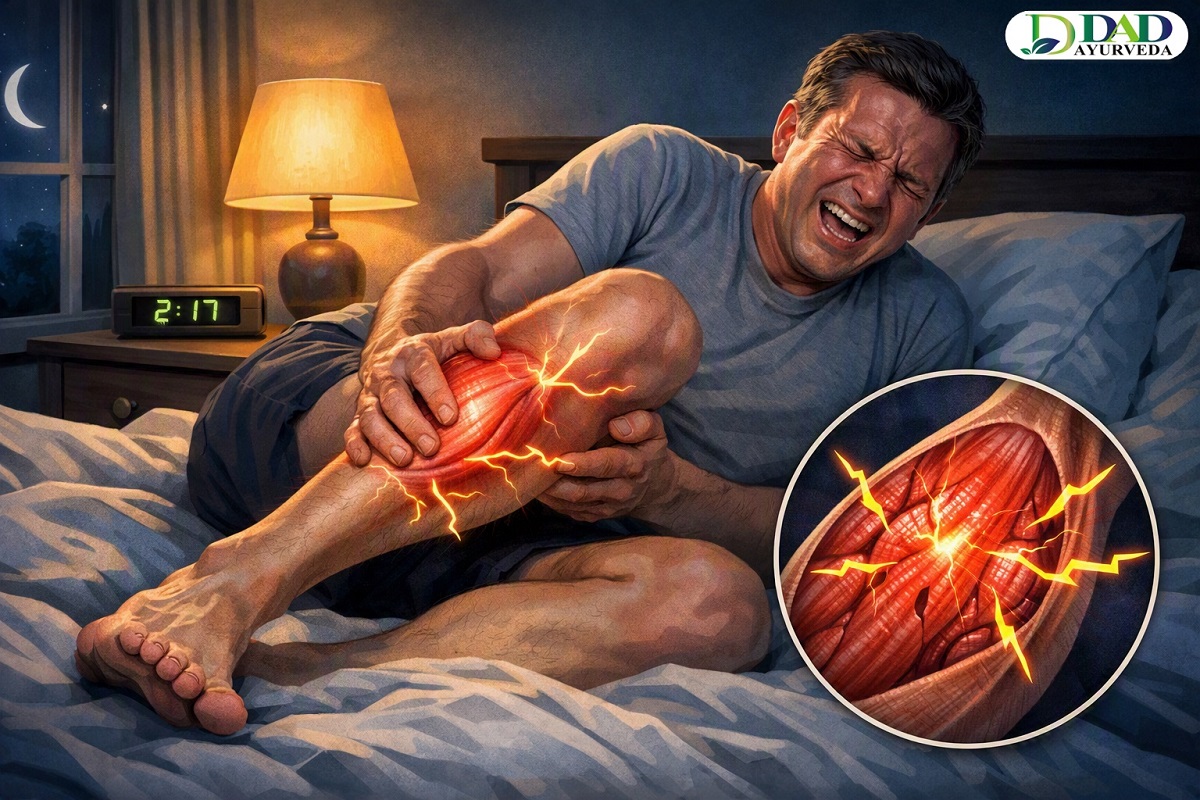
Night leg cramps are sudden, involuntary, and painful contractions of leg muscles—most often the calf—that occur during sleep or rest. They cause sharp pain, a tight, hard muscle, and often a plantar-flexed foot. Episodes typically strike at night, interrupting sleep and leaving residual soreness afterward.
Common triggers include idiopathic causes, muscle overuse, prolonged standing, dehydration, pregnancy, electrolyte imbalance, certain medications, and peripheral neuropathy.
Immediate relief involves stretching, dorsiflexing the foot, massage, or gentle walking. Ongoing management focuses on hydration, heat therapy, regular stretching, and correcting reversible causes. Magnesium supplementation may help selected patients.
If cramps are frequent or severe, a medical review is advised to rule out underlying conditions.
Common Causes
- Idiopathic (no clearly identifiable cause) — the most frequent category.
- Muscle overuse or fatigue.
- Prolonged standing.
- Dehydration.
- Electrolyte disturbances (e.g., imbalances involving magnesium, potassium, calcium, or sodium).
- Pregnancy (increased risk, especially later stages).
- Certain medications.
- Peripheral neuropathy or other nerve-related issues.
Core Signs & Symptoms
- Sudden, severe pain, usually in the calf.
- The affected muscle becomes hard and tightly contracted.
- The foot may plantar-flex (point downward) during the spasm.
- Episodes frequently strike at night (e.g., around 3:00 AM), interrupting sleep.
- Residual soreness or a feeling of a contracted muscle can linger afterward.
- Duration is typically seconds to a few minutes; recurrent episodes are common.
Immediate Relief
- Stretch the affected muscle promptly.
- For calf cramps: dorsiflex the foot (pull toes upward toward the shin).
- Gentle massage of the tight muscle.
- Walking or standing and pressing the foot flat on the floor.
- Applying heat (e.g., a heat pack) to help the muscle relax.
Supportive & Ongoing Management
- Maintain good hydration.
- Regular stretching (especially of calves and hamstrings), preferably before bed.
- Massage and heat application as needed.
- Review and address reversible contributors (medications, activity patterns, electrolyte status where relevant).
- Magnesium supplementation may help selected patients (evidence is mixed and strongest when a true deficiency exists; not a universal fix).
- Correct underlying factors when identified.
Clinical course: Cramps usually resolve within minutes but can leave residual discomfort. Frequent or severe episodes that disrupt sleep warrant medical review to rule out secondary causes and guide management. Follow-up is important if symptoms persist or worsen.
Notes on the Provided Content
The outline references Disha Arogya Dham for the educational framing and DAD Ayurveda (Disha Arogya Dham Ayurveda & Naturopathy Chikitsalya & Research Center) for supportive/promotional aspects. The linked treatment pack on their site focuses on nervous weakness/muscle-related concerns more broadly rather than night cramps specifically.
Important: This is general information based on the points you shared and common clinical understanding. Night leg cramps are often benign, but persistent, severe, unilateral, or associated symptoms (swelling, weakness, sensory changes, etc.) should prompt evaluation by a qualified healthcare professional. Self-management tips like stretching and hydration are widely recommended first-line measures; individual treatment (including any supplements or Ayurvedic approaches) should be personalized and discussed with a clinician.
Nocturnal leg cramps (painful, involuntary muscle contractions, usually in the calves or feet) are common in pregnancy. They affect roughly 30–50% of pregnant people, most often in the second and third trimesters and frequently at night, which can disrupt sleep.
Why They Happen
The exact cause is not fully understood. Contributing factors may include:
- Extra weight and muscle strain from carrying the pregnancy.
- Pressure from the growing uterus on nerves and blood vessels that supply the legs.
- Circulatory changes (increased blood volume and slower return from the legs).
- Hormonal effects (e.g., progesterone influencing muscle tone).
- Possible shifts in electrolytes such as magnesium or calcium, plus dehydration.
Cramps are usually benign and tend to resolve after delivery.
Immediate Relief During a Cramp
- Straighten the leg and dorsiflex the foot (pull the toes and top of the foot toward the shin). Hold the stretch.
- Gently massage the tight muscle.
- Stand and walk a short distance, or press the foot flat on the floor.
- Apply a warm compress or take a warm bath/shower (after the acute spasm eases).
Avoid pointing the toes, as this can worsen the contraction.
Prevention Strategies
These measures are widely recommended and low-risk:
- Stretch calf muscles before bed. A simple wall stretch: stand facing a wall, place one foot back with the heel down and knee straight, lean forward gently, and hold 20–30 seconds; switch sides. Repeat several times. Doing this 2–3 times a day (including before sleep) may help.
- Stay well hydrated (aim for clear or pale-yellow urine).
- Move regularly: short walks, gentle activity, avoid long periods of sitting or standing still. Elevate the legs when resting.
- Keep bedding loose at the foot of the bed so feet can move freely.
- Sleep on your side (preferably left after the second trimester) with a pillow between the knees for support and better circulation.
- Eat a balanced diet that includes magnesium- and calcium-containing foods (e.g., leafy greens, nuts, seeds, whole grains, dairy or fortified alternatives, beans).
Supplements
Evidence for magnesium is mixed and inconsistent. Some small trials suggested benefit for frequency or intensity; others (including observational data and reviews) found little or no clear effect compared with placebo. Calcium is sometimes discussed, but results are also limited.
Do not start any supplement (including magnesium, calcium, or extra vitamins) without checking with your obstetric provider or midwife. Prenatal vitamins already supply recommended amounts of many nutrients; excess can carry risks. Your clinician can advise based on your diet, bloodwork (if needed), and overall health.
When to Contact a Healthcare Provider
Seek prompt advice if you have:
- Swelling, redness, warmth, or tenderness in one leg (possible blood clot/DVT concern).
- Cramp pain that does not ease or recurs with severe residual soreness.
- Difficulty walking or new weakness/numbness.
- Frequent, severe episodes that significantly disrupt sleep or daily function.
Most pregnancy-related nocturnal leg cramps improve with stretching, hydration, and activity adjustments. Discuss persistent symptoms at prenatal visits so other contributors can be ruled out and individualized advice given. Always follow guidance from your own maternity care team.