

Ayurveda and Naturopathy: Understanding the Difference
Both sciences champion drugless, root-cause healing and harmony with nature—yet their diagnostic blueprints, therapeutic mechanisms, and dietary laws differ profoundly. Explore an evidence-informed clinical breakdown curated by the physicians of Disha Arogya Dham.
Disha Arogya Dham Medical Board
BAMS & BNYS Integrative Physicians

Panchakarma Detoxification & Phyto-Pharmacological Formulations
Tailored herbal decoctions, medicated ghritas, and bio-purification calibrated to your unique Prakriti (Vata, Pitta, Kapha).
Hydrotherapy, Mud Packs & Panchamahabhuta Nature Cure
Stimulating the body’s innate Vital Force (Vis Medicatrix Naturae) using thermal water therapies, earth elements, and therapeutic fasting.

Nadi Vigyan (Pulse Diagnosis) Meets Modern Clinical Biomarkers
At Disha Arogya Dham, doctors evaluate metabolic fire (Agni), toxin load (Ama), and physiological vitality before prescribing care.

Medical Yoga, Pranayama & Personalized Ahara Dietetics
Bridging classical Ayurvedic nutrition and alkaline naturopathic diets for sustainable remission in chronic lifestyle disorders.
Navigating Holistic Healthcare in the Modern Era
Across the globe, millions of patients living with chronic metabolic disorders, autoimmune inflammation, musculoskeletal degeneration, and stress-induced neuroendocrine dysfunction are looking beyond symptom-suppressing pharmaceuticals. In their search for sustainable, root-cause recovery, two time-honored systems of natural medicine stand at the forefront: Ayurveda and Naturopathy. Because both disciplines reject synthetic chemical dependency, emphasize clean nutrition, and honor the intelligence of the natural world, casual observers frequently mistake them for interchangeable branches of alternative wellness.
In clinical reality, however, Ayurveda and Naturopathy represent two distinct medical paradigms with separate historical lineages, contrasting diagnostic frameworks, and fundamentally different mechanisms of therapeutic intervention. While Ayurveda is a comprehensive, 5,000-year-old Vedic medical science equipped with an intricate system of internal pharmacology, bio-purification (Panchakarma), and constitutional typing, Naturopathy is a drugless healing philosophy rooted in the constructive power of the five physical elements of nature—earth, water, fire, air, and ether—operating primarily through lifestyle correction, hydrotherapy, fasting, and physical medicine.
At Disha Arogya Dham (dadayurveda.com), our multidisciplinary clinical team works daily at the intersection of both sciences. Understanding where Ayurveda and Naturopathy diverge—and how their strengths can be harmonized—empowers patients to make informed, medically sound decisions for lifelong vitality.
Origins & Philosophical Foundations: Vedic Tridosha vs. Vitalism & Nature Cure
Ayurveda: The Science of Life and Constitutional Equilibrium
Originating in the Indian subcontinent over five millennia ago and codified in foundational classical treatises such as the Charaka Samhita, Sushruta Samhita, and Ashtanga Hridaya, Ayurveda translates literally from Sanskrit as the “Science of Life” (Ayuh = life, Veda = knowledge). Ayurveda views every human being as a microcosm of the macrocosm, composed of the Panchamahabhutas (Five Great Elements): Akasha (Ether/Space), Vayu (Air), Agni (Fire), Jala (Water), and Prithvi (Earth).
Within human physiology, these five elements condense into three dynamic biological energies or humors known as the Tridosha:
-
Vata Dosha (Ether + Air): Governs all movement in the body and mind—nerve impulses, respiration, circulation, peristalsis, joint lubrication, and cellular division. Imbalance manifests as anxiety, dryness, insomnia, constipation, and neuro-degenerative or arthritic pain.
-
Pitta Dosha (Fire + Water): Governs transformation, enzymatic digestion, thermoregulation, hormonal metabolism, visual perception, and cognitive sharpness. Excess Pitta triggers hyperacidity, inflammatory skin eruptions, liver congestion, hypertension, and irritability.
-
Kapha Dosha (Water + Earth): Governs structural cohesion, mucosal immunity, lubrication, tissue anabolism, and emotional stability. Aggravated Kapha leads to obesity, insulin resistance, respiratory congestion, sluggish lymphatics, and lethargy.
Crucially, Ayurveda teaches that every individual is born with a unique genetic-energetic blueprint called Prakriti. Health is not a uniform standard; rather, it is the preservation of one’s personal Prakriti alongside robust digestive fire (Agni), properly nourished bodily tissues (Saptadhatus), unobstructed physiological channels (Srotas), and balanced mental qualities (Sattva, Rajas, Tamas).
Naturopathy: Vis Medicatrix Naturae and the Unity of Disease
Modern Naturopathy—known in India as Prakritik Chikitsa—synthesizes ancient Hippocratic healing principles (“Vis Medicatrix Naturae,” the healing power of nature) with 18th- and 19th-century European Nature Cure pioneers such as Vincent Priessnitz, Sebastian Kneipp, Louis Kuhne, and Benedict Lust, later championed in India by Mahatma Gandhi and Dr. Dinshaw Mehta.
Unlike Ayurveda’s complex constitutional taxonomy, Naturopathy is anchored in three core philosophical axioms:
- Unity of Disease and Unity of Cure: Naturopathy postulates that almost all non-traumatic diseases share a single primary cause—the accumulation of morbid matter, metabolic waste, and exogenous toxins in the blood and tissues due to violations of natural living laws. Consequently, cure lies in restoring normal elimination through the body’s four excretory organs: the bowels, kidneys, skin, and lungs.
- Acute Disease is the Body’s Remedial Effort: Fevers, catarrh, diarrhea, and skin eruptions are viewed not as enemies to be suppressed, but as intelligent housekeeping crises initiated by the body’s Vital Force to burn and expel accumulated waste.
- Strictly Drugless Philosophy: Classical Naturopathy avoids even herbal or mineral medicines in pharmacological doses, relying exclusively on non-invasive physical elements—water, earth, sunlight, air, rest, fasting, and whole natural foods—to awaken self-healing.
Core Diagnostic Methodologies: Ashtavidha Pariksha vs. Vitalistic & Structural Assessment
How a physician examines a patient determines the precision of the treatment plan. In Ayurvedic clinical diagnosis, the practitioner conducts a multi-layered evaluation encompassing Rogi Pariksha (examination of the patient) and Roga Pariksha (examination of the pathology). Classical Ayurvedic physicians utilize the Ashtavidha Pariksha (Eight-Fold Examination), assessing:
1. Nadi Pariksha (Pulse Diagnosis)
Reading subtle hemodynamic waveforms at the radial artery using the index, middle, and ring fingers to detect subclinical Vata, Pitta, and Kapha imbalances, organ stress, and Ama (metabolic endotoxins) years before structural pathology appears.
2. Jihva & Mala Pariksha (Tongue & Excreta)
Inspecting tongue coating, fissures, and coloration alongside stool consistency (Sama vs. Nirama) and urine turbidity (Taila Bindu Pariksha) to map gastrointestinal fire and tissue-level toxicity.
3. Samprapti (Pathogenesis Mapping)
Tracing the six stages of disease progression (Shatkriyakala)—accumulation, aggravation, overflow, localization, manifestation, and complication—to interrupt chronic disease early.
4. Agni & Dhatu Bala Evaluation
Determining whether digestive metabolism is irregular (Vishama), hyperactive (Tikshna), sluggish (Manda), or balanced (Sama), and assessing the strength of all seven bodily tissues.
In contrast, Naturopathic diagnosis focuses on evaluating the degree of systemic toxemia, the reserve of the patient’s Vital Force, postural/structural alignment, and excretory efficiency. Alongside modern clinical pathology (blood panels, imaging, vitals), traditional naturopathic physicians employ Iris Diagnosis (Iridology)—examining fiber density, pigment rings, and autonomic nerve wreaths in the iris to identify inherited tissue weaknesses and organ congestion—as well as Facial Diagnosis (derived from Louis Kuhne’s science of facial expression, which maps foreign-matter encumbrances in the front, side, or back of the body) and spinal/musculoskeletal palpation.
Therapeutic Modalities: Panchakarma & Herbal Pharmacology vs. Five-Element Nature Cure
The sharpest operational distinction between Ayurveda and Naturopathy lies in their therapeutic toolkits. Ayurveda operates through two primary clinical strategies: Shamana Chikitsa (palliative pacification using targeted internal medicines) and Shodhana Chikitsa (deep cellular bio-purification).
Under Shamana, Ayurvedic pharmacology (Dravyaguna Vigyan) utilizes thousands of standardized botanical, mineral, and herbo-mineral formulations—such as Kashayams (decoctions), Asava-Arishtas (self-generated probiotic herbal tonics), Medicated Ghritas (clarified butter infused with fat-soluble neuro-protective herbs like Brahmi and Ashwagandha), Choornas, and Rasayanas (rejuvenative immunomodulators). Each herb is prescribed based on its Rasa (taste), Guna (qualities), Virya (potency), Vipaka (post-digestive effect), and Prabhava (unique pharmacological action).
Under Shodhana, Ayurveda executes Panchakarma—the gold-standard five-fold detoxification protocol preceded by oleation (Snehana) and sudation (Swedana) to mobilize lipid-soluble toxins from deep tissues back into the gastrointestinal tract for elimination:
- Vamana: Medically supervised therapeutic emesis to clear excess Kapha from the upper respiratory and gastric pathways.
- Virechana: Controlled herbal purgation to cleanse the hepatobiliary system, small intestine, and systemic Pitta inflammation.
- Basti (Niruha & Anuvasana): Medicated herbal decoction and oil enemas—revered in Ayurveda as Ardha Chikitsa (half of all medicine) for neurological, spinal, and Vata disorders.
- Nasya: Intranasal administration of medicated oils to nourish the central nervous system, sinuses, and hypothalamic-pituitary axis.
- Raktamokshana: Targeted bloodletting (including Jalaukavacharana or medicinal leech therapy) for localized vascular and dermatological pathologies.
Naturopathy, conversely, eschews all internal herbal drugs and medicated oils. Instead, it harnesses the therapeutic physics of the five natural elements to stimulate circulation, lymphatic drainage, autonomic nervous system reset, and cellular detoxification:
- Hydrotherapy (Jal Chikitsa): The clinical application of water at varying temperatures and pressures—including spinal baths, hip baths, neutral immersion baths, contrast douches, wet sheet packs, and colon hydrotherapy—to modulate vascular tone and relieve visceral congestion.
- Mud Therapy (Mrittika Chikitsa): Purified, mineral-rich dark earth packs applied to the abdomen, eyes, or inflamed joints to absorb excess heat, draw out metabolic waste, and soothe inflammatory edema.
- Therapeutic Fasting (Upavasa Chikitsa): Medically monitored water, juice, or mono-fruit fasting designed to redirect metabolic energy from digestion toward autophagy, cellular repair, and toxin clearance.
- Heliotherapy & Chromotherapy: Controlled sun-bathing and color-spectrum light exposure to synthesize Vitamin D, regulate circadian melatonin, and stimulate cutaneous immunity.
- Manipulative Therapy, Acupressure & Medical Yoga: Deep tissue massage, spinal adjustments, Shatkarma yogic cleansing (Jala Neti, Kunjal, Laghoo Shankhaprakshalana), and restorative Pranayama.
Dietary Science: Ayurvedic Ahara & Shad Rasa vs. Naturopathic Alkaline & Elimination Diets
Both systems treat food as primary medicine, yet their dietary prescriptions can appear diametrically opposite to the uninitiated patient.
Ayurvedic Dietetics (Ahara Vidhi): Ayurveda insists that “how and when you digest matters more than what you eat.” Because Agni (digestive fire) is delicate, Ayurveda generally favors warm, freshly cooked, mildly spiced, easy-to-digest meals infused with healthy lipids like A2 cow ghee or cold-pressed sesame oil. Every meal is structured around the Shad Rasa (Six Tastes: Sweet, Sour, Salty, Pungent, Bitter, Astringent) calibrated to pacify the individual’s dominant Dosha and the current season (Ritucharya). Raw salads, ice-cold smoothies, and excessive uncooked foods are often restricted for Vata-dominant or weak-Agni patients because their cold, rough qualities dampen digestive enzymes and generate gas and Ama. Furthermore, Ayurveda strictly prohibits incompatible food combinations (Viruddha Ahara), such as pairing milk with sour fruits or fish.
Naturopathic Dietetics: Naturopathy categorizes foods into Eliminative (citrus juices, tender coconut water, herbal infusions), Soothing (steamed vegetables, raw salads, fruits, sprouts), and Constructive (whole unpolished grains, legumes, nuts, seeds). To counter systemic acidosis and toxemia, Naturopathy emphasizes an 80% alkaline, 20% acidic ratio, championing raw living foods rich in natural enzymes, chlorophyll, and dietary fiber while strictly eliminating refined sugars, dairy, caffeine, processed flours, and heavy oils.
Ayurveda vs. Naturopathy: Comprehensive Side-by-Side Comparison
The clinical matrix below summarizes the core distinctions between classical Ayurveda and scientific Naturopathy across eight medical dimensions:
| Clinical Parameter | Ayurveda (Vedic Medical Science) | Naturopathy (Nature Cure Science) |
|---|---|---|
| Historical Origin | Ancient India (5,000+ years); codified in Charaka & Sushruta Samhitas. | Hippocratic roots; systematized in 19th-century Europe & India. |
| Core Root of Disease | Imbalance of Tridosha (Vata, Pitta, Kapha), weakened Agni, and Ama toxins. | Accumulation of morbid matter/toxemia and lowered Vital Force. |
| Diagnostic Approach | Ashtavidha Pariksha (Pulse/Nadi, Tongue, Urine), Prakriti & 6-stage pathogenesis. | Iridology, Facial Diagnosis, spinal palpation, vital signs & lab biomarkers. |
| Use of Medicines | Extensive internal phyto-pharmacology (decoctions, ghritas, rasayanas, bhasmas). | Strictly drugless—zero internal herbal or synthetic medications used. |
| Detoxification Method | Panchakarma (Vamana, Virechana, Basti, Nasya, Raktamokshana) via internal oleation. | Therapeutic fasting, hydrotherapy, mud packs, enemas & yogic Shatkarmas. |
| Dietary Philosophy | Warm, cooked, spiced meals tailored to Dosha, season, and Six Tastes (Shad Rasa). | High-raw, enzyme-rich, alkaline diet (fruits, salads, sprouts) & juice fasting. |
| Individualization | Hyper-personalized to 7 constitutional Prakriti types and tissue depth. | Universal laws of natural living adapted to patient vitality and acute/chronic stage. |
| Rejuvenation & Anti-Aging | Dedicated branch of Rasayana & Vajikarana for cellular regeneration. | Achieved naturally through cellular rest, clean blood, exercise, and sun/air baths. |
Managing Chronic Conditions: How Disha Arogya Dham Integrates Both Sciences
Rather than forcing patients to choose between Ayurveda and Naturopathy, Disha Arogya Dham (dadayurveda.com) leverages their complementary clinical strengths across four major categories of chronic disease:
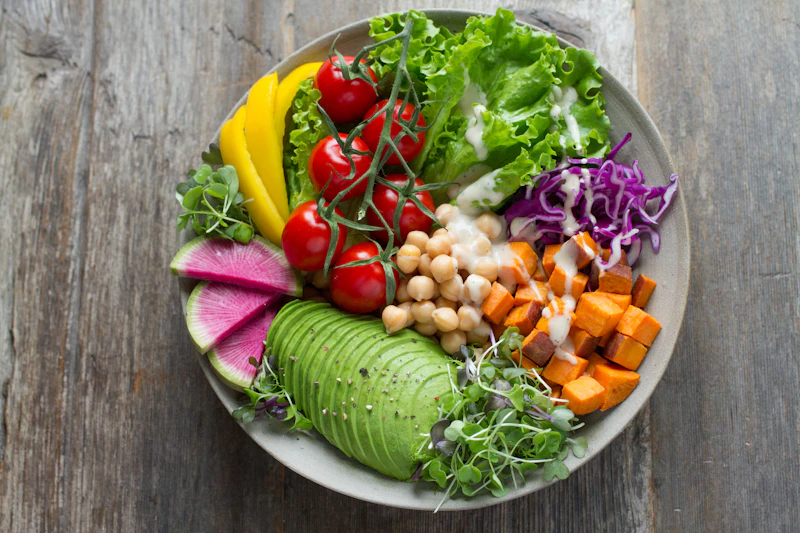 Metabolic & Gut Health
1. IBS, Fatty Liver, GERD & Type-2 Diabetes
Naturopathy initiates rapid gut rest via abdominal mud packs, cold hip baths, and alkaline vegetable broths to cool mucosal inflammation. Ayurveda follows with Deepana-Pachana herbs, Virechana liver detox, and pancreatic-supportive botanicals (Gudmar, Vijaysar, Triphala) to restore insulin sensitivity and enzyme secretion.
 Ortho & Neuro-Spine Care
2. Arthritis, Cervical/Lumbar Spondylosis & Sciatica
Ayurveda targets Vata-induced cartilage wear and nerve compression through Abhyanga (warm medicated oil massage), Kati/Janu Basti, Patra Pinda Sweda (herbal bolus fomentation), and Basti therapy. Naturopathy complements this with spinal baths, infrared/steam therapy, and rehabilitative yoga postures to decompress intervertebral discs.
 Dermatology & Immunity
3. Psoriasis, Eczema, Urticaria & Autoimmune Flare-Ups
In chronic dermatoses rooted in vitiated Rakta Dhatu (blood tissue) and systemic toxemia, Ayurveda administers blood-purifying bitter herbs (Manjistha, Neem, Khadira), Takradhara, and Virechana. Simultaneously, Naturopathy utilizes full-body mud baths, sun-bathing (heliotherapy), and strict dairy/gluten elimination diets to calm immune hyper-reactivity.
 Neuro-Stress & Psychosomatic
4. Chronic Stress, Insomnia, Migraine & Hypertension
Ayurvedic Shirodhara—the continuous rhythmic pouring of warm medicated herbal oil across the forehead—directly downregulates sympathetic cortisol surges and restores deep REM sleep alongside Medhya Rasayanas (Brahmi, Jatamansi). Naturopathic neutral immersion baths, Yoga Nidra, and Bhramari Pranayama lock in parasympathetic resilience.
Synergy Over Rivalry: Why an Integrative Approach Delivers Superior Clinical Outcomes
When practiced in isolation, each discipline encounters natural boundaries. Pure Naturopathy can rapidly decongest the lymphatic system, alkalize blood pH, and trigger acute detoxification—yet in frail, elderly, or severely Vata-depleted patients, aggressive fasting and cold hydrotherapy alone may lack the deep tissue-rebuilding (Brimhana) and targeted organ-specific pharmacology required to regenerate damaged nerves, joints, or endocrine glands.
Conversely, prescribing potent Ayurvedic herbal formulations into a body heavily congested with unprocessed dietary waste and sluggish excretory channels reduces bioavailability. When Naturopathy’s gentle eliminative therapies open the body’s physical channels first, Ayurvedic Panchakarma and Rasayana medicines penetrate deeper, act faster, and produce durable clinical remission.
“Naturopathy clears the terrain and awakens the body’s self-healing vitality; Ayurveda rebuilds the tissues, balances constitutional energies, and rejuvenates cellular intelligence. Together, they form complete medicine.”
Frequently Asked Questions: Ayurveda & Naturopathy
Clinical Focus Topics & SEO Research Keywords
Indexed for Holistic Health ReadersBegin Your Personalized Healing Journey at Disha Arogya Dham
Whether you are seeking classical Ayurvedic Panchakarma, drugless Naturopathic hydrotherapy, or an integrative second opinion for a chronic condition, our medical team is ready to assist you.
📅 Request a Doctor Consultation
Fill out your details below to reserve an in-clinic or online tele-consultation, or submit directly via WhatsApp (+91 7976808977).