

Ayurveda and Naturopathy: Difference, Core Philosophies & How They Reverse Chronic Disease
Both Ayurveda and Naturopathy empower the human body to heal naturally without synthetic chemical dependency—yet their diagnostic frameworks, therapeutic tools, and clinical origins are fundamentally distinct. Discover how each system treats metabolic disorders, joint pain, autoimmune inflammation, and digestive illnesses, and why integrating both creates unmatched clinical outcomes.


1. Understanding the Core Difference Between Ayurveda and Naturopathy
When patients seek long-term relief from chronic health disorders—such as Type 2 diabetes, rheumatoid arthritis, chronic sinusitis, migraine, digestive ulcers, polycystic ovarian syndrome (PCOS), or hypertension—two holistic healthcare systems consistently stand out: Ayurveda and Naturopathy. Because both systems reject symptom-masking synthetic pharmaceuticals and emphasize living in harmony with nature, many people mistakenly assume they are identical.
In clinical reality, understanding the Ayurveda and Naturopathy difference is essential for choosing the right therapeutic path. While both belong to India’s recognized AYUSH healthcare framework and share a reverence for natural laws, they differ substantially in their historical evolution, diagnostic methodology, use of internal medicines, dietary prescriptions, and detoxification procedures.
At its core, Ayurveda is a comprehensive, 5,000-year-old Vedic medical science that classifies human physiology through constitutional bio-energies (Tridosha: Vata, Pitta, and Kapha) and uses customized herbal formulations alongside bio-purification therapies (Panchakarma). Conversely, Naturopathy is a strictly drugless system of healing rooted in the philosophy that the accumulation of morbid matter (toxins) is the singular cause of disease, and that simple natural elements—water, earth, air, sunlight, and fasting—are sufficient to restore the body’s innate self-healing mechanism (Vis Medicatrix Naturae).
Clinical Takeaway at a Glance
Ayurveda treats the patient using individualized herbal pharmacology, medicated oils, dietary alchemy, and Panchakarma tailored to their unique genetic-metabolic constitution (Prakriti). Naturopathy avoids all internal medicines—even herbal extracts—relying exclusively on hydrotherapy, mud therapy, therapeutic fasting, raw food nutrition, massage, and physical exercise to eliminate systemic toxicity.
2. Historical Origins & Philosophical Foundations
The Vedic Lineage of Ayurveda
Ayurveda—literally translated from Sanskrit as the “Science of Life” (Ayuh = life, Veda = knowledge)—originated in the Indian subcontinent over five millennia ago as an Upaveda of the Atharvaveda. Its clinical principles were systematically codified in foundational medical treatises such as the Charaka Samhita (internal medicine), Sushruta Samhita (surgery and anatomy), and Ashtanga Hridaya.
Ayurvedic philosophy rests on the Panchamahabhuta (five great elements: Space, Air, Fire, Water, and Earth) combining into three dynamic biological humors known as the Tridosha:
- Vata Dosha (Space + Air): Governs all movement, nerve impulses, respiration, circulation, and cellular division. Imbalanced Vata drives neurological pain, osteoarthritis, constipation, anxiety, and insomnia.
- Pitta Dosha (Fire + Water): Governs digestion, enzymatic metabolism, body temperature, hormone synthesis, and visual perception. Aggravated Pitta manifests as hyperacidity, liver inflammation, skin rashes, migraine, and autoimmune flare-ups.
- Kapha Dosha (Earth + Water): Governs structural lubrication, immunity, tissue growth, joint stability, and emotional calm. Excess Kapha leads to obesity, insulin resistance, sinus congestion, asthma, and lethargy.
According to Ayurveda, health (Swasthya) is a dynamic equilibrium where the Doshas, digestive fire (Agni), seven bodily tissues (Saptadhatu), and excretory channels (Malas) function in harmony, accompanied by a serene mind and senses.
The Evolution of Modern Naturopathy
Naturopathy (also termed Nature Cure) draws conceptual inspiration from ancient Hippocratic principles (“Nature is the healer of all diseases”) and traditional Indian elemental living, but was formalized as a distinct medical discipline in 19th-century Europe and North America by pioneers such as Vincent Priessnitz, Sebastian Kneipp, Louis Kuhne, and Benedict Lust. In India, Mahatma Gandhi championed Nature Cure as an accessible, self-reliant healthcare model, blending European hydrotherapy and mud packs with Indian yogic fasting and ethical dietetics.
Naturopathic philosophy is anchored in three core principles:
- Unity of Disease and Unity of Cure: All acute and chronic illnesses stem from one primary root cause—the accumulation of foreign morbid matter and metabolic waste due to violations of natural living laws.
- The Body Heals Itself: Neither a doctor nor a medicine cures a disease; only the body’s internal vital force (Jeevani Shakti) repairs damaged cells once obstructive toxins are cleared.
- Strictly Drugless Intervention: Naturopathy rejects all external pharmacological substances—whether synthetic drugs or concentrated herbal pills—arguing that internal remedies can suppress acute eliminative crises (such as fever or diarrhea) rather than allowing natural detoxification to complete.
3. Ayurveda vs. Naturopathy: Comprehensive Side-by-Side Comparison
To understand how these two systems operate in clinical practice, examine the structural differences across ten critical medical parameters:
| Clinical Parameter | Ayurveda | Naturopathy (Nature Cure) |
|---|---|---|
| Core Philosophy | Balancing the three bio-energies (Vata, Pitta, Kapha), strengthening digestive fire (Agni), and clearing Ama (metabolic toxins). | Eliminating accumulated morbid matter and stimulating the body’s innate vital healing force through natural elements. |
| Use of Medicines | Yes. Utilizes single herbs, polyherbal decoctions (Kashayam), powders (Churna), medicated ghees, and fermented tonics (Asava/Arishta). | No (100% Drugless). Strictly avoids all internal medicines, including synthetic drugs and concentrated herbal formulations. |
| Diagnostic Approach | Ashtavidha Pariksha (8-fold exam) including pulse diagnosis (Nadi Pariksha), tongue, urine, stool, and constitutional Prakriti assessment. | Iris diagnosis (Iridology), facial diagnosis (evaluating toxin accumulation), postural analysis, and modern clinical pathology. |
| Primary Therapies | Panchakarma (Vamana, Virechana, Basti, Nasya, Raktamokshana), Abhyanga (oil massage), Shirodhara, and Kizhi (herbal poultice). | Hydrotherapy (hip baths, spinal sprays, steam), Mud Therapy, Therapeutic Fasting, Heliotherapy (sunbath), and Magnetotherapy. |
| Dietary Philosophy | Customized by Dosha and season (Ritucharya). Emphasizes warm, freshly cooked, spiced foods tailored to digestive strength; raw food is restricted for Vata/Kapha. | Emphasizes alkaline, raw, uncooked, or lightly steamed foods—fresh fruits, vegetable juices, sprouts, and nuts—to minimize digestive burden. |
| Role of Oils & Fats | Extensive internal and external use of medicated sesame oil, castor oil, and cow’s ghee to lubricate tissues and dislodge fat-soluble toxins. | Minimal internal fat; massages use plain cold-pressed oils or dry friction primarily to stimulate blood and lymphatic circulation. |
| Detoxification Mechanism | Biochemical mobilization of toxins from peripheral tissues back into the gastrointestinal tract for targeted expulsion via Panchakarma. | Mechanical and physiological elimination through skin (sweating), kidneys (water intake), lungs (breathwork), and bowels (enema/fasting). |
| View on Acute Fever | Treated gently with fasting (Langhana) and antipyretic herbs like Guduchi, Tulsi, and Mahasudarshan to digest underlying Ama. | Viewed as a constructive healing crisis; managed purely with cold wet-sheet packs, hydrotherapy, and water fasting without any herbs. |
| Medical Degrees in India | BAMS (Bachelor of Ayurvedic Medicine and Surgery) & MD/MS (Ayurveda). | BNYS (Bachelor of Naturopathy and Yogic Sciences) & MD (Naturopathy). |
| Ideal Clinical Focus | Complex chronic, autoimmune, neurological, degenerative, endocrine, and tissue-depletion disorders requiring deep cellular rejuvenation (Rasayana). | Lifestyle disorders, obesity, hypertension, digestive sluggishness, stress burnout, and preventive systemic detoxification. |
4. Diagnostic Frameworks: Nadi Pariksha vs. Facial & Iris Analysis
Before prescribing a single therapy, an Ayurvedic physician and a Naturopathic doctor evaluate the patient through completely different clinical lenses.
How Ayurveda Diagnoses Root Imbalances
Ayurveda never treats two patients with the same disease label identically. For example, three patients diagnosed with chronic migraine may receive three entirely different protocols depending on whether their headache is driven by dry, erratic Vata, inflammatory, acid-surging Pitta, or congested, sinus-blocking Kapha.
To uncover this root pattern, an Ayurvedic doctor performs Prakriti-Vikriti analysis alongside Ashtavidha Pariksha (eight-fold clinical examination):
- Nadi Pariksha (Pulse Diagnosis): By palpating the radial artery at three distinct depths, the physician assesses real-time fluctuations in Vata (serpentine pulse), Pitta (jumping frog-like pulse), and Kapha (slow swan-like pulse), as well as organ-level inflammation.
- Jihva Pariksha (Tongue Examination): A thick white or yellow coating indicates undigested metabolic toxins (Ama); cracks point toward Vata depletion; red margins indicate Pitta heat.
- Agni & Koshtha Assessment: Evaluating whether a patient’s digestive fire is sharp (Tikshna), sluggish (Manda), irregular (Vishama), or balanced (Sama).
How Naturopathy Assesses Toxic Load
Naturopathy views diagnostic labels primarily as localized manifestations of systemic toxin retention. Rather than classifying constitutional humors, a BNYS physician evaluates how efficiently the body’s four primary eliminative channels—bowels, kidneys, skin, and lungs—are functioning.
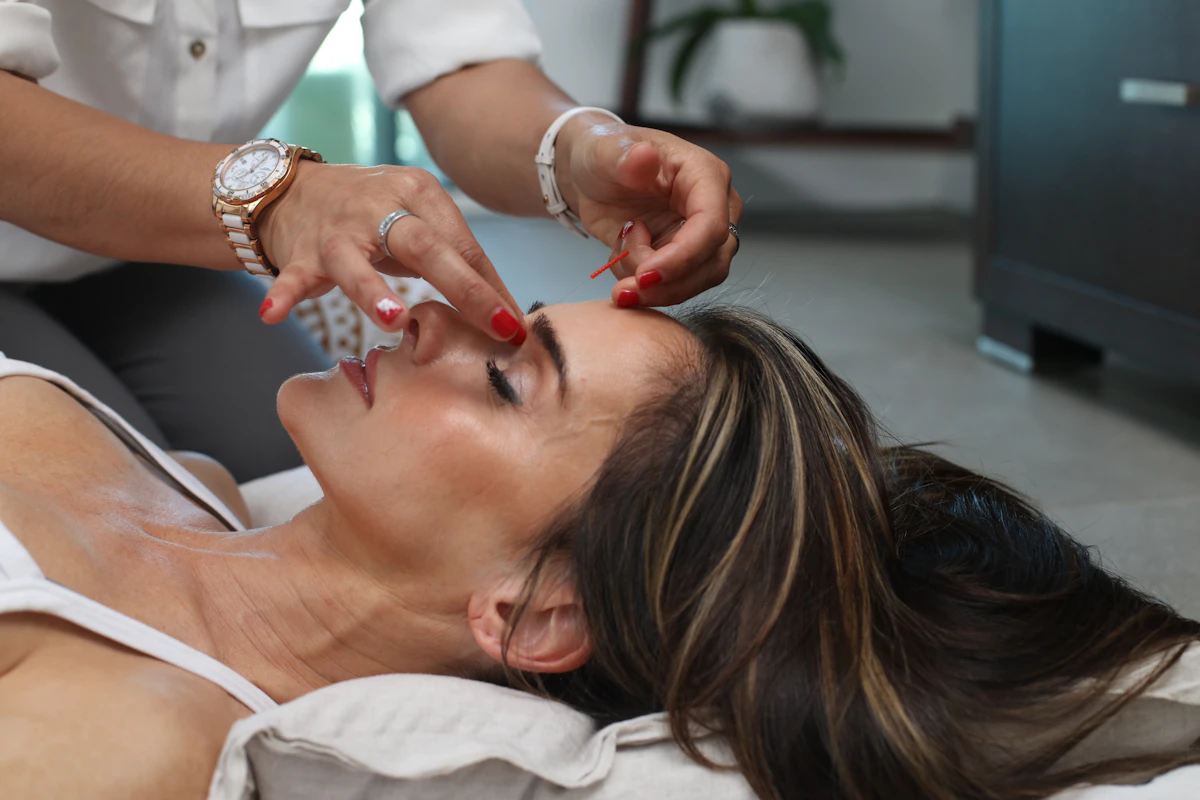
- Facial & Body Structure Diagnosis (Louis Kuhne’s Method): Observing localized swelling, tissue density, skin discoloration, and asymmetry to identify where morbid matter has deposited in the body.
- Iridology: Examining patterns, nerve rings, and pigment variations in the iris of the eye to assess constitutional tissue resilience and organ stress.
- Lifestyle & Eliminative Audit: Analyzing water intake, circadian sleep timing, bowel transit speed, dietary acidity, and sedentary stagnation.
Not Sure Whether You Need Ayurveda, Naturopathy, or Both?
Consult our experienced BAMS & BNYS doctors at DAD Ayurveda (Disha Arogya Dham) for a personalized root-cause evaluation and disease-specific treatment roadmap.
5. Therapeutic Modalities: Panchakarma & Herbs vs. Drugless Elements
Ayurvedic Therapeutics: Shodhana, Shamana, and Rasayana
Ayurvedic clinical management is divided into three powerful stages:
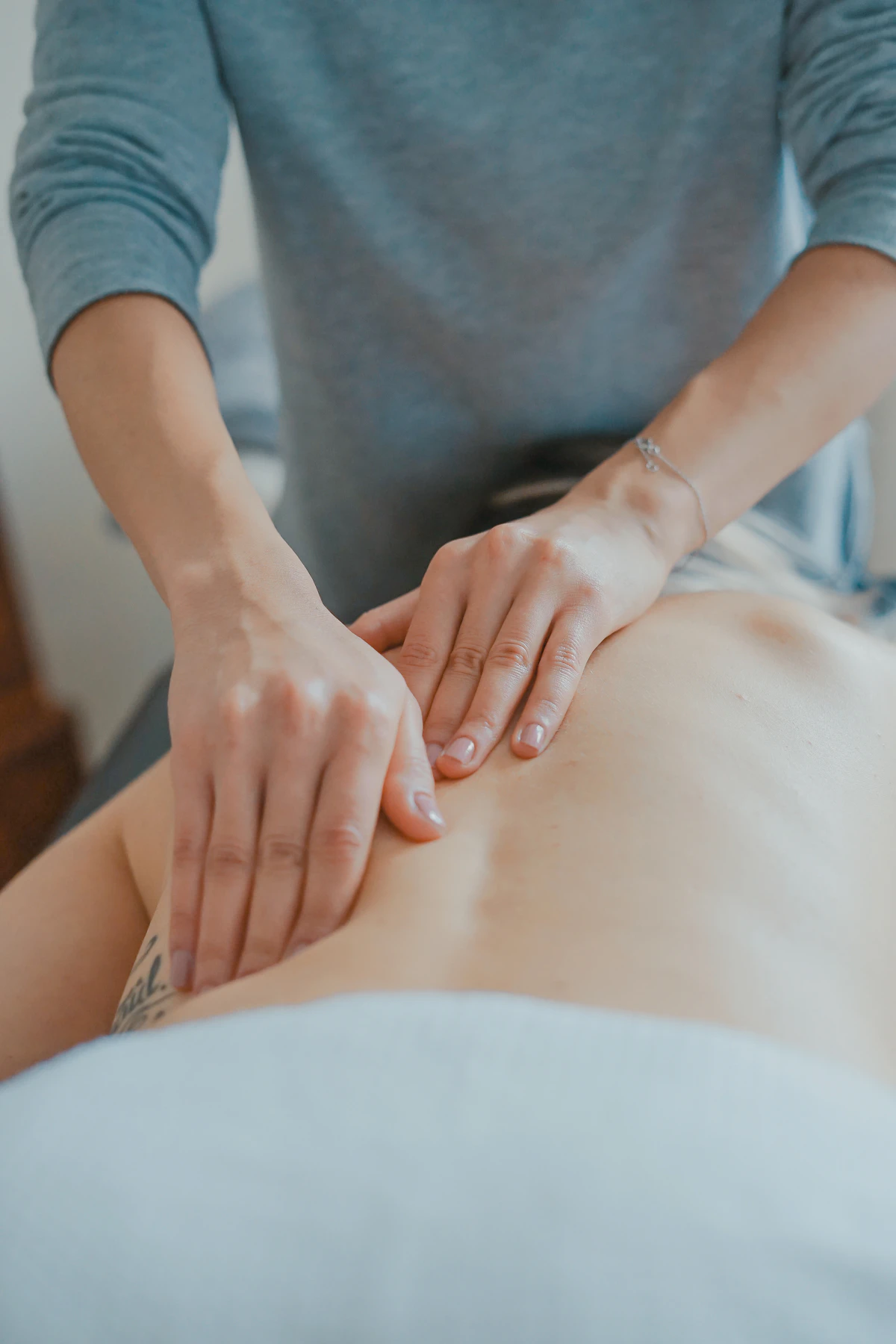
- Shodhana (Deep Bio-Purification via Panchakarma): When chronic toxins penetrate deep into joints, nerves, or endocrine glands, oral herbs alone are insufficient. Ayurveda prepares the body through internal oleation (Snehapana) and herbal steam (Swedana), followed by five targeted cleansing procedures: Vamana (therapeutic emesis for Kapha/respiratory disorders), Virechana (medicated purgation for Pitta/liver/skin diseases), Basti (medicated herbal enemas for Vata/spine/neurological conditions), Nasya (nasal administration for sinusitis, migraine, and cervical issues), and Raktamokshana (blood purification).
- Shamana (Palliative Herbal Pharmacology): Precise combinations of fresh, pure herbs—such as Ashwagandha, Guduchi, Punarnava, Guggulu, Shatavari, and Triphala—pacify residual Dosha imbalances and restore organ function without synthetic side effects.
- Rasayana (Cellular Rejuvenation): Once toxins are cleared, nourishing Rasayana formulations rebuild depleted tissues (Dhatus), strengthen immunity (Ojas), and prevent disease recurrence.
Naturopathic Therapeutics: Healing Through Nature’s Five Elements
Naturopathy replaces external pharmacology with structured physiological stimulation using natural elements:
- Hydrotherapy (Water Therapy): Water applied at varying temperatures triggers powerful vascular reflexes. Cold hip baths relieve pelvic congestion and constipation; spinal sprays calm the central nervous system in hypertension and insomnia; contrast foot baths improve peripheral circulation in diabetic neuropathy.
- Mud Therapy (Earth Element): Mineral-rich, sterilized black or alluvial mud absorbs excess body heat, reduces localized swelling in arthritic joints, draws out dermal impurities in psoriasis and eczema, and cools abdominal inflammation when applied as a mud pack.
- Therapeutic Fasting (Ether/Space Element): Supervised water fasting, lemon-honey fasting, or fruit-juice fasting gives the gastrointestinal tract complete physiological rest, redirecting metabolic energy toward autophagy and cellular cleanup.
- Heliotherapy & Chromotherapy (Fire/Sun Element): Controlled morning sunlight exposure and color-filtered light therapy regulate Vitamin D synthesis, circadian melatonin rhythm, and mood disorders.
- Manipulative Massage & Yogic Shatkarma: Swedish/vibratory naturopathic massage combined with yogic cleansing techniques (Jal Neti, Kunjal, Laghoo Shankhaprakshalana) enhances lymphatic drainage and respiratory clarity.
6. Dietary Philosophy: Cooked Dosha-Specific Meals vs. Raw Alkaline Foods
One of the sharpest practical differences patients notice between an Ayurvedic clinic and a Naturopathy center is the diet chart.
In Naturopathy, food is classified into three categories: Eliminative (juices, coconut water, citrus fruits), Soothing (steamed vegetables, fruits, sprouts), and Constructive (whole grains, pulses, nuts). Naturopaths strongly favor raw, living, uncooked foods because cooking destroys natural enzymes and reduces alkaline mineral bioavailability. Heavy oils, spices, dairy, and cooked grains are minimized during detox phases.
In Ayurveda, raw salads and cold juices are considered heavy, rough, and cold—qualities that severely aggravate Vata and weaken digestive fire (Agni), leading to gas, bloating, and malabsorption in compromised patients. Instead, Ayurveda champions warm, freshly cooked meals prepared with digestive spices (cumin, ginger, turmeric, coriander, black pepper) and healthy fats like cow’s ghee, tailored to the patient’s Dosha and seasonal climate.
7. Which System Works Better for Specific Medical Conditions?
Choosing between Ayurveda and Naturopathy—or blending both—depends heavily on the nature and stage of your health condition:
- Spine, Joint & Neurological Disorders (Slip Disc, Sciatica, Osteoarthritis, Cervical Spondylosis): Ayurveda holds a distinct advantage due to specialized medicated oil therapies like Kati Basti, Greeva Basti, Patra Pinda Sweda, and Matra Basti, which directly lubricate degenerated discs and calm aggravated Vata nerves.
- Sinusitis, Migraine & Respiratory Allergies: Ayurvedic Nasya therapy combined with classical herbal formulations clears deep-seated Kapha congestion from cranial sinuses, while Naturopathic Jal Neti and steam inhalation maintain daily nasal hygiene.
- Obesity, Metabolic Syndrome & Early Hypertension: Naturopathy excels in rapid, safe metabolic reset through structured juice fasting, hydrotherapy, mud packs, and yogic exercise, while Ayurvedic herbs like Triphala, Guggulu, and Medohar formulations prevent rebound weight gain.
- Chronic Digestive Disorders (IBS, Ulcerative Colitis, Hyperacidity, Fatty Liver): Ayurveda repairs mucosal lining and balances Pitta-Vata motility using targeted botanicals and Takradhara (medicated buttermilk therapy), supported by Naturopathy’s alkaline, non-irritating meal pacing.
- Autoimmune, Endocrine & Reproductive Conditions (PCOS, Thyroid Imbalance, Male/Female Infertility, Psoriasis): Require deep tissue nourishment (Dhatu Poshana), hormonal axis regulation, and blood purification—areas where Ayurvedic Panchakarma and Rasayana herbs deliver profound, sustained clinical results.
8. Why Integrating Ayurveda and Naturopathy Delivers Superior Healing
At DAD Ayurveda (Disha Arogya Dham), over two decades of clinical research and patient care across India and 12+ countries have demonstrated that Ayurveda and Naturopathy are not competitors—they are complementary pillars of complete natural medicine.
When a patient suffers from a stubborn, multi-system condition—such as chronic kidney strain, diabetic neuropathy, severe arthritis, or autoimmune skin disease—relying on a single modality often leaves gaps. Naturopathy rapidly opens the body’s eliminative pathways through hydrotherapy, mud therapy, alkaline nutrition, and breathwork, reducing systemic inflammatory load. Simultaneously, authentic Ayurvedic formulations and Panchakarma target the specific cellular pathology, rebuild damaged tissues, and restore long-term physiological equilibrium.
By bringing qualified BAMS (Ayurvedic) and BNYS (Naturopathic) doctors together under one roof, integrated care ensures you never have to guess which therapy your body needs—every protocol is personalized, safe, non-toxic, and focused on permanent root-cause recovery.
9. Frequently Asked Questions (FAQs)