




Uncategorized
Adenomyosis Awareness:
Aug
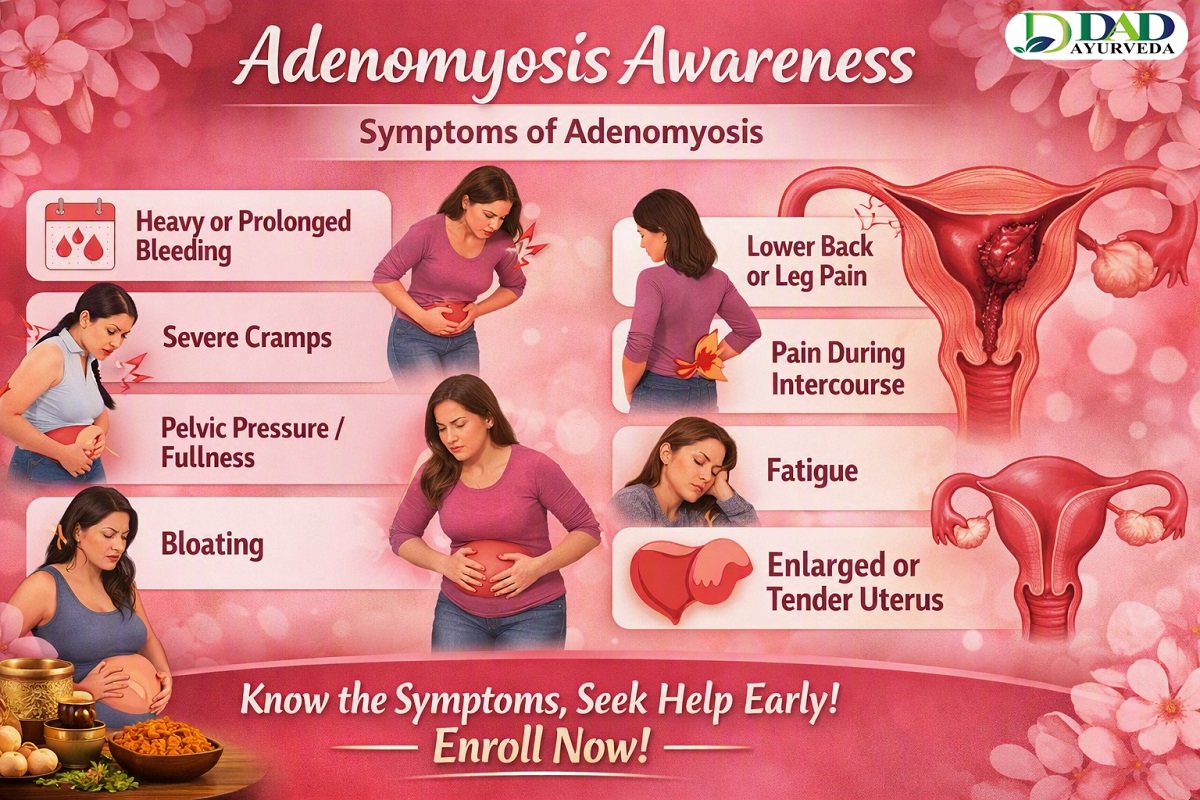
Adenomyosis Awareness: Symptoms of Adenomyosis
Adenomyosis is a common yet often misunderstood condition that affects many women. Raising adenomyosis awareness is important because symptoms can be severe, disruptive, and easily dismissed as “just bad periods.” If you or someone you know experiences intense menstrual problems, understanding the signs can lead to earlier diagnosis and better care.
What Is Adenomyosis?
Adenomyosis occurs when the tissue that normally lines the uterus (endometrium) grows into the muscular wall of the uterus. This can cause the uterus to enlarge and lead to painful, heavy periods. Symptoms vary from person to person, and not every woman experiences all of them. Listening to your body is essential.
Common Symptoms of Adenomyosis
- Heavy or Prolonged Bleeding
- Soaking pads or tampons quickly
- Passing blood clots
Heavy menstrual bleeding is one of the most frequent complaints and can lead to anemia if left unaddressed.
- Severe Cramps
- Intense menstrual pain
- Pain that disrupts daily life
Unlike ordinary period pain, adenomyosis-related cramps are often described as deep, sharp, or throbbing and may not respond well to regular painkillers.
- Pelvic Pressure or Fullness
- Aching lower abdomen
- Feeling of heaviness
Many women report a constant sensation of pressure or fullness in the pelvis, even outside their periods.
- Bloating
- Swollen abdomen
- “Adeno belly”
The abdomen can appear swollen or distended, sometimes called “adeno belly,” which may fluctuate with the menstrual cycle.
- Lower Back or Leg Pain
- Pain radiating to the back
- Achy legs during periods
Discomfort often spreads beyond the pelvis into the lower back and thighs.
- Pain During Intercourse
- Deep pelvic pain
- Tenderness
Deep dyspareunia (pain with penetration) is a frequently reported symptom that can affect intimacy and quality of life.
- Fatigue
- Low energy
- Tiredness from pain or heavy bleeding
Chronic pain combined with heavy blood loss can leave women feeling exhausted and drained.
- Enlarged or Tender Uterus
- Abdominal tenderness
- Uterine swelling
On examination, the uterus may feel enlarged, soft, or tender.
You Are Not Alone. You Are Not Imagining It.
Many women with adenomyosis have been told their symptoms are “normal” or “all in their head.” They are not. Symptoms can vary widely—some experience mild discomfort, while others face life-altering pain and bleeding. Early awareness and proper evaluation make a real difference.
If these symptoms sound familiar, consult a qualified healthcare provider. Diagnosis may involve a detailed history, pelvic examination, ultrasound, or MRI. Treatment options range from pain management and hormonal therapies to minimally invasive procedures or, in some cases, surgery—always individualized to the patient’s needs and goals.
Endometriosis and adenomyosis are related but distinct conditions involving tissue similar to the uterine lining (endometrium). They share some symptoms and can occur together, but they differ in where the tissue grows, typical symptoms, diagnosis, and treatment approaches.
Core Difference: Location of Tissue
| Feature | Endometriosis | Adenomyosis |
|---|---|---|
| Where tissue grows | Outside the uterus (ovaries, fallopian tubes, pelvic lining, bowel, bladder, etc.) | Inside the muscular wall of the uterus (myometrium) |
| Effect on uterus | Usually normal size | Often enlarged, bulky, or tender (“globular” uterus) |
| Tissue behavior | Causes inflammation, scarring, and adhesions | Causes thickening of the uterine wall and local bleeding within the muscle |
In short:
- Endometriosis = tissue grows outside the uterus.
- Adenomyosis = tissue grows into the wall of the uterus.
Shared and Distinct Symptoms
Both conditions can cause:
- Painful periods (dysmenorrhea)
- Pelvic pain
- Pain during intercourse (dyspareunia)
- Heavy menstrual bleeding
- Fatigue
- Fertility challenges
More characteristic of endometriosis:
- Pain with bowel movements or urination (especially during periods)
- Chronic pelvic pain that can occur outside of periods
- Digestive issues (bloating, nausea, diarrhea/constipation) linked to the cycle
- Higher association with infertility due to scarring, adhesions, or ovarian cysts (endometriomas)
More characteristic of adenomyosis:
- Very heavy or prolonged bleeding (menorrhagia), often with large clots
- Intense, crampy period pain centered in the uterus
- Feeling of pelvic pressure, heaviness, or fullness
- Enlarged or tender uterus (noticeable on exam or as abdominal bloating/”adeno belly”)
- Symptoms that may feel more constant or worsen progressively during the period
Many people experience both conditions at the same time, which can make symptoms more complex.
Who Is Typically Affected
- Endometriosis: Often begins in the teens or 20s–30s. Affects roughly 10% of reproductive-age women. Family history is a known risk factor.
- Adenomyosis: More commonly diagnosed in women in their 30s–50s, especially those who have given birth. Prevalence estimates are around 20% in some studies, though many cases are asymptomatic. Prior uterine procedures (e.g., C-section or D&C) may increase risk.
Exact causes of both remain unclear; theories involve hormonal factors, genetics, inflammation, and (for endometriosis) possible retrograde menstruation.
Diagnosis
- Adenomyosis: Usually diagnosed non-invasively with transvaginal ultrasound or MRI, which can show a thickened uterine wall, junctional zone abnormalities, or myometrial cysts. Pelvic exam may reveal an enlarged, soft uterus. Definitive confirmation historically required examining the uterus after hysterectomy, but modern imaging is highly reliable.
- Endometriosis: Imaging (ultrasound/MRI) can detect larger lesions or ovarian endometriomas, but smaller implants are often missed. The gold standard is laparoscopy (minimally invasive surgery) for direct visualization and biopsy.
Because symptoms overlap, doctors often evaluate for both.
Treatment Approaches
Treatment is individualized based on symptom severity, desire for future fertility, and overall health. Neither condition has a single “cure” for everyone, but symptoms can often be well managed.
Common first-line options for both:
- Pain relief with NSAIDs (e.g., ibuprofen)
- Hormonal therapies (birth control pills, progestin IUDs, continuous progestins, GnRH agonists/antagonists) to suppress menstruation and reduce tissue activity
Adenomyosis-specific considerations:
- Hormonal IUD is often particularly helpful for heavy bleeding
- Medications to reduce bleeding (e.g., tranexamic acid)
- Uterus-preserving surgery (adenomyomectomy) in selected cases
- Hysterectomy is the only definitive cure if fertility is no longer desired
Endometriosis-specific considerations:
- Surgical excision or ablation of lesions (often during diagnostic laparoscopy)
- Focus on preserving fertility when needed
- Management of associated bowel/bladder symptoms or ovarian cysts
Lifestyle measures (exercise, anti-inflammatory diet, stress management, pelvic floor physical therapy) can support symptom control in both conditions.
Key Takeaways
- Location is the fundamental difference: outside (endometriosis) vs inside the uterine muscle (adenomyosis).
- Heavy bleeding + enlarged uterus points more toward adenomyosis; widespread pain, bowel/bladder symptoms, or infertility points more toward endometriosis.
- You can have both at the same time.
- Accurate diagnosis guides better treatment—imaging is usually enough for adenomyosis, while laparoscopy remains key for confirming endometriosis.
- Many effective medical and surgical options exist; early evaluation improves quality of life and fertility outcomes.
If you are experiencing heavy periods, severe pelvic pain, or related symptoms, consult a gynecologist familiar with these conditions. They can order appropriate imaging and discuss options tailored to your situation.
For personalized guidance and holistic care:
Dr. Pankaj Rohilla
Disha Arogya Dham Ayurveda & Naturopathy Chikitsalya & Research Center
Call & WhatsApp: +91-7976808977 / 9034100716
Address: 348/4c Jamunapuri, Murlipura, Jaipur 302039
© Dr. Pankaj Rohilla – All Rights Reserved