





Uncategorized
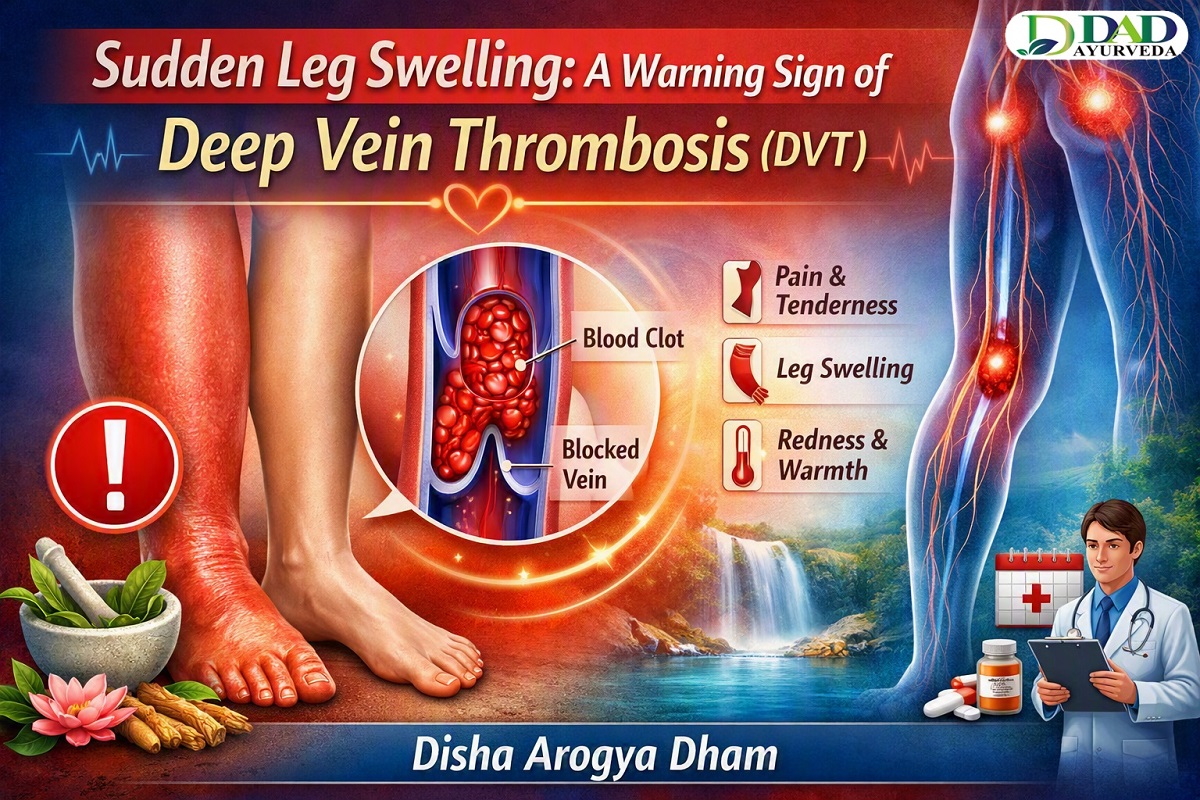
Sudden Leg Swelling: A Warning Sign of Deep Vein Thrombosis (DVT)
Aug
Sudden Leg Swelling: A Warning Sign of Deep Vein Thrombosis (DVT)
Do you experience sudden heaviness, tightness, or swelling in your legs? Many people dismiss these symptoms, especially if they appear after long hours of sitting or standing. However, sudden leg swelling can be an early indicator of Deep Vein Thrombosis (DVT) — a serious condition caused by blood clots in the deep veins of the legs.
According to medical data, the incidence of DVT in the general population is approximately 1.79 cases per 1,000 people. Ignoring the symptoms can lead to dangerous complications, including pulmonary embolism. This guide explains why sudden leg swelling occurs, who is at higher risk, how DVT is diagnosed, and effective ways to prevent it.
Why Sudden Leg Swelling Is Dangerous
The main cause of sudden leg swelling related to DVT is the formation of blood clots in the leg veins. These clots block the normal upward flow of deoxygenated blood. As a result, blood and fluid accumulate in the lower legs, causing swelling, heaviness, and tightness.
If a blood clot breaks free and travels to the lungs, it can block pulmonary vessels and cause sudden shortness of breath — a medical emergency known as pulmonary embolism. Early recognition of DVT symptoms is critical to prevent life-threatening outcomes.
Who Is at Higher Risk of Deep Vein Thrombosis?
Certain lifestyle and health factors significantly increase the risk of developing blood clots in the legs and sudden leg swelling:
- Prolonged sitting or standing (common among shopkeepers, office workers, and traffic police)
- Sedentary lifestyle with little daily walking or exercise
- Being overweight or obese
- Women who sit for long hours and do not manage weight
- Use of hormonal medications or contraceptive pills
- Recent injury, surgery, or road accident
If you fall into any of these categories and notice leg swelling, seek medical evaluation promptly.
How Is Deep Vein Thrombosis Diagnosed?
Accurate diagnosis is essential for proper DVT treatment. The primary test used is a Venous Doppler study (also called duplex ultrasound of the leg veins). This non-invasive scan helps doctors determine:
- Whether blood clots are present in the leg veins
- The size and location of the clots
- Whether the clots have extended toward the abdominal veins
If abdominal involvement is suspected, a CT angiography of the lungs may be recommended. An ECG is often performed as part of the overall assessment.
Treatment Options for Blood Clots in the Legs
Modern approaches focus on dissolving blood clots safely and reducing the risk of pulmonary embolism. In many cases, treatment can begin without open surgery.
Supportive care under medical supervision may include:
- Immediate rest and elevation of the affected leg
- Blood-thinning medication prescribed by a vascular specialist
- Specialized protocols such as the DAD Nervous Weakness Treatment Pack aimed at supporting recovery and reducing clot burden
Key supportive formulations used in clinical practice at the centre include:
- DAD Pain Care – Supports better blood flow in veins and helps address clot-related pain (taken as a warm decoction twice daily)
- DAD Liv Care – Supports liver detoxification (30 ml decoction three times daily after meals)
- Joint Care – Helps reduce pain and inflammation
- Sumedha Brain Boost Tea – Supports nervous system health as part of the overall pack
All treatment must be supervised by a qualified doctor.
Proven Ways to Prevent Deep Vein Thrombosis and Leg Swelling
Prevention is the most effective strategy against DVT. Simple daily habits can significantly lower your risk:
- Walk at least 5 km every morning
- Maintain a healthy body weight
- Avoid sitting continuously for more than one hour — stand up and walk for 5–10 minutes
- Avoid standing continuously for more than one hour — sit and elevate your legs for five minutes
- Stay active throughout the day, especially if your job involves long periods of sitting or standing
These lifestyle changes improve circulation and reduce the chance of blood clot formation in the legs.
Frequently Asked Questions About DVT and Leg Swelling
What causes sudden swelling in one leg? Sudden swelling in one leg is often linked to a blood clot in the deep veins (DVT). Other causes exist, but DVT requires urgent medical attention.
Can sitting too long cause blood clots? Yes. Prolonged sitting slows blood flow in the legs and is a well-known risk factor for Deep Vein Thrombosis.
Is leg swelling after an accident a sign of DVT? It can be. Any swelling that develops or worsens after trauma should be evaluated promptly with a Venous Doppler study.
How is DVT treated without surgery? Many cases are managed with blood thinners, leg elevation, rest, and supportive therapies under specialist supervision.
Don’t Ignore Sudden Leg Swelling — Seek Expert Care in Jaipur
Sudden leg swelling and possible Deep Vein Thrombosis should never be taken lightly. Early diagnosis with Venous Doppler and timely treatment can prevent serious complications such as pulmonary embolism.
Dr. Pankaj Rohilla Disha Arogya Dham, Jaipur, Rajasthan
Locations: Jaipur | Jamunapuri | Murlipura Phone: +91 7976808977
If you or someone you know is experiencing tightness, heaviness, or progressive swelling in the legs, schedule a consultation today. Your legs — and your lungs — will thank you.
This article is based on clinical guidance from Dr. Pankaj Rohilla and is intended for educational purposes only. It does not replace personalized medical advice. Always consult a qualified healthcare professional for diagnosis and treatment.