



Migraine: Causes and Management
Migraine is more than an ordinary headache. It is a neurological condition that can affect concentration, sleep, work, family life and everyday activities. Understanding its symptoms, possible triggers and treatment options can help people seek the right care and build a realistic plan for fewer disruptive days.
In this guide: Learn what migraine is, how it may feel, which factors can contribute to attacks, when to seek medical help, how clinicians diagnose it, and what acute, preventive, lifestyle and complementary care may involve.
Important: Migraine is a medical condition. This article is educational and does not diagnose you or replace an appointment with a qualified healthcare professional.


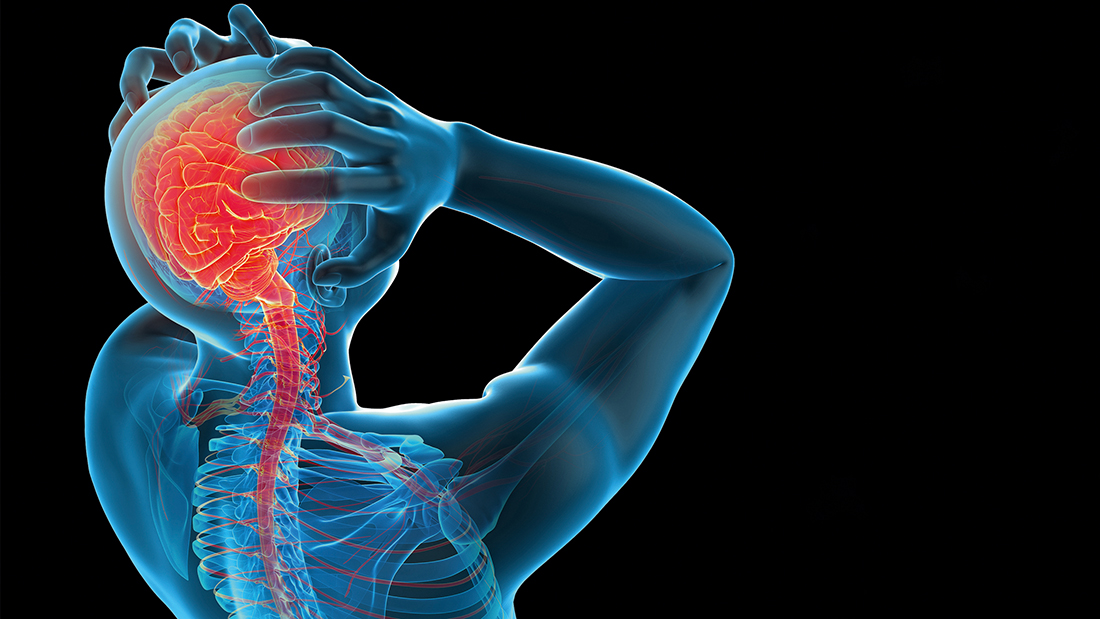
Image credits: externally hosted editorial and medical illustrations. Confirm reuse permissions or replace with licensed clinic-owned/stock images before commercial publication.
1. What Is Migraine?
Migraine is a recurring neurological disorder. An attack may involve moderate or severe head pain, often described as throbbing or pulsating, but headache is only one part of the condition. Nausea, vomiting, sensitivity to light or sound, dizziness, visual changes and difficulty concentrating can also occur. Some people have a headache on one side of the head, while others feel pain on both sides or around the forehead, face or neck. Symptoms differ from person to person and can even change between attacks in the same individual.
A migraine attack may last for hours and, in some cases, continue for several days. The condition can be episodic, with symptom-free periods between attacks, or chronic, when headache occurs on many days of the month. Migraine is not a sign of weakness, a character problem or simply a reaction to stress. It has a biological basis involving the nervous system and pain pathways. Appropriate assessment matters because other conditions can also cause severe or recurring headaches.
Many people use the phrase “severe headache” to describe migraine, but not every severe headache is migraine and not every migraine is limited to head pain. A correct diagnosis helps distinguish migraine from tension-type headache, cluster headache, sinus-related symptoms, medication-overuse headache and less common but potentially serious causes. Seek medical advice when headaches are new, recurrent, changing, disabling or difficult to control.
2. Common Migraine Symptoms and Phases
Migraine symptoms may develop in stages. Not everyone experiences every stage, and the order is not identical for all people. Recognising a personal pattern can help someone take prescribed acute treatment at the appropriate time and explain symptoms accurately during a consultation.
Prodrome: Early warning changes
Some people notice changes hours or even a day or two before head pain begins. These may include unusual tiredness, frequent yawning, mood changes, food cravings, thirst, difficulty concentrating, neck stiffness or changes in bowel habits. These symptoms are not proof that an attack will happen, but a repeated pattern can be useful to record in a headache diary.
Aura: Temporary neurological symptoms
Some people experience aura before or during a migraine attack. Visual aura can include flashing lights, zigzag lines, shimmering spots or temporary blind areas. Other aura symptoms can involve tingling, pins-and-needles sensations or difficulty finding words. Aura symptoms usually develop gradually and are temporary. A first episode, a new type of aura, weakness, persistent symptoms or symptoms that do not resemble a person’s established pattern need prompt medical assessment because stroke and other conditions can sometimes look similar.
Headache phase and postdrome
During the headache phase, pain can be moderate to severe and may worsen with ordinary movement. Nausea, vomiting, light sensitivity and sound sensitivity are common. After the pain improves, some people feel drained, foggy, unusually sensitive or less energetic for a while. This recovery period is sometimes called the postdrome. Rest, hydration and a gradual return to normal activity may help, but persistent or unusual symptoms should be discussed with a clinician.
3. Migraine Causes and Contributing Factors
There is no single cause that explains every migraine. Current understanding describes migraine as a complex brain and nervous-system disorder influenced by inherited susceptibility, sensory processing, pain pathways and biological signalling. Researchers continue to investigate the exact mechanisms. Changes involving the trigeminal pain system and signalling molecules such as CGRP are important areas of migraine research, but a simplified explanation such as “dilated blood vessels cause migraine” does not capture the full condition.
Genetic susceptibility
Migraine often runs in families. Having a parent or close relative with migraine may increase a person’s likelihood of experiencing it, although family history does not mean that someone will definitely develop migraine. Many genes may contribute small effects rather than one gene explaining most cases. Genetics can interact with hormones, sleep patterns, environment and other health factors.
Hormonal changes
Changes in oestrogen levels can influence migraine in some people. Attacks may occur around menstruation, during changes in hormonal contraception, pregnancy or menopause. Menstrual migraine can be longer or more difficult for some individuals. Anyone with migraine who is pregnant, planning pregnancy or considering hormonal medication should discuss treatment choices with an appropriate healthcare professional, because medicine suitability can change during these stages.
Brain and sensory processing
People with migraine may have a nervous system that responds differently to sensory input and internal changes. Bright light, loud sound, strong odours, disrupted sleep or missed meals may contribute to an attack in susceptible individuals. These exposures are usually better understood as potential triggers or threshold-lowering factors rather than the root cause of migraine. A trigger does not mean the person has done something wrong.
Other health and lifestyle influences
Stress, anxiety, poor sleep, dehydration, irregular meals, changes in caffeine intake and other pain conditions may influence migraine patterns. Some medicines can also affect headache frequency, especially when acute pain medicines are used too often. A clinician can review medical conditions, medication use and personal risk factors to help identify which influences are relevant. Avoid assuming that one food, one posture or one emotional event explains every attack.
4. Common Migraine Triggers
Triggers are individual. A food or activity that affects one person may have no effect on another. Triggers can also combine: a late night, a skipped meal and a stressful day may together make an attack more likely, even when none of them consistently causes symptoms alone. The goal is not to avoid everything. It is to identify repeated, meaningful patterns without creating unnecessary restrictions.
Sleep disruption
Too little sleep, oversleeping, shift changes or irregular bedtimes can affect some people. A steady sleep and wake schedule may be more useful than trying to compensate with large changes.
Stress and recovery
Emotional stress, intense workloads and the let-down period after stress may coincide with attacks. Relaxation and planned recovery time can support an overall management plan.
Meal patterns
Skipping meals, fasting without a plan or long gaps between meals can be relevant for some people. Try regular meals and note whether symptoms follow a consistent pattern.
Hydration and heat
Not drinking enough, heavy sweating, hot weather or prolonged outdoor exposure may be associated with symptoms in some people. Fluid needs vary by health status and activity.
Caffeine changes
High intake, late-day caffeine or sudden withdrawal may affect headaches. Discuss a gradual reduction if needed rather than stopping large amounts abruptly.
Light, sound and odours
Bright screens, glare, loud noise, perfumes or smoke can be uncomfortable during an attack and may be triggers for some people.
Food triggers are often discussed, but evidence and individual responses vary. Some people report a link with particular foods or alcohol, while others do not. Cravings can also be an early symptom of migraine rather than the cause of the attack. Avoid broad elimination diets unless there is a clear reason and professional guidance. If you suspect a food trigger, record the timing and repeatability and discuss it with a clinician or registered dietitian.
A headache diary is a practical way to separate coincidence from a pattern. Record sleep, meals, fluid intake, caffeine, menstrual cycle where relevant, stress, weather or sensory exposures, medication and symptoms. Review the diary over several weeks with a healthcare professional. Focus on a small number of changes that are realistic and safe.
5. Types of Migraine
Migraine is classified in several ways. The labels help clinicians describe the pattern and consider suitable treatment, but they do not replace a full assessment.
Migraine without aura
This is a common form. It involves repeated attacks of headache with associated features such as nausea or sensitivity to light and sound. The pain may be one-sided, pulsating, moderate or severe, and aggravated by routine physical activity, although not every person has all of these features.
Migraine with aura
This form includes reversible neurological symptoms, most often visual changes, that usually develop before or around the headache. New or unusual aura symptoms should be assessed rather than assumed to be migraine, especially when they include weakness, difficulty speaking or sudden visual loss.
Chronic migraine
Chronic migraine is generally defined by headache on 15 or more days per month for more than three months, with migraine features on at least eight days per month in someone with a migraine history. A clinician can assess whether this definition applies and whether medication overuse, sleep problems or other conditions are contributing.
Menstrual migraine and other patterns
Menstrual migraine occurs in relation to the menstrual cycle. Other recognised patterns include vestibular migraine, in which dizziness or vertigo is prominent, and migraine with brainstem aura or other less common forms. Because these patterns can overlap with other medical conditions, evaluation by an appropriately trained clinician is important.
6. How Is Migraine Diagnosed?
Migraine is usually diagnosed through a careful medical history and examination. There is no single blood test or scan that confirms every case. A clinician may ask when the headaches began, how often they occur, how long they last, where the pain is located, what the pain feels like and whether nausea, light sensitivity, sound sensitivity or aura occurs. They may ask about family history, menstrual patterns, sleep, other medical conditions and medicines or supplements.
A physical and neurological examination can help identify signs that need further investigation. Brain imaging, blood tests or other tests are not necessary for every person with a typical migraine pattern and a normal examination. However, tests may be recommended when symptoms are new, atypical, changing, associated with neurological findings or suggest another diagnosis. The decision should be made by a qualified clinician based on the whole clinical picture.
Before an appointment, bring a list of current medicines and supplements, previous prescriptions, known allergies and any relevant medical reports. A headache diary can help show how many headache days occur each month and how symptoms affect daily life. Be honest about how often you take pain relief, even if it is an over-the-counter medicine. Medication frequency is important because overuse can contribute to ongoing headache problems.
7. Medical Management of Migraine
Migraine treatment usually has two goals: treating an attack that is happening now and reducing the likelihood or impact of future attacks. A plan should be individualised according to attack frequency, disability, other medical conditions, pregnancy potential, current medicines, treatment response and personal preferences. A medicine that is helpful for one person may be unsuitable for another, so use medication only as directed by a qualified healthcare professional.
Acute or attack treatment
Depending on a person’s health history and attack pattern, clinicians may recommend pain-relieving medicines such as selected non-steroidal anti-inflammatory drugs or paracetamol, migraine-specific medicines such as triptans or gepants, and anti-nausea medicines. Treatment may work best when taken early in an attack, but the correct timing and choice depend on the medicine and the individual. People with certain conditions, medication interactions or pregnancy-related considerations may need different options.
Preventive treatment
Preventive treatment may be considered when attacks are frequent, severe, prolonged, disabling, poorly responsive to acute treatment or when acute medicines are needed often. Options may include selected blood-pressure medicines, certain antidepressants, anti-seizure medicines, CGRP-targeted therapies, Botox for eligible chronic migraine cases and some non-drug approaches. The choice is made with a clinician after weighing benefits, side effects, contraindications and patient preference. Preventive care may reduce attacks but does not guarantee that migraine will disappear completely.
Medication-overuse headache
Using acute headache medicines too frequently can lead to medication-overuse headache or make an existing headache pattern harder to manage. The risk depends on the medicine and the number of days it is used. As a general safety principle, do not keep increasing doses or taking pain medicine on most days without medical advice. If you regularly need acute medication, ask for a prevention and review plan rather than trying to manage escalating headaches alone.
8. Everyday Lifestyle Management and Migraine Prevention
Lifestyle steps cannot replace medical treatment when it is needed, and they do not prevent every attack. However, consistent routines can help some people reduce avoidable triggers and improve general wellbeing. Try one or two manageable changes at a time and observe whether they make a difference. The aim is a sustainable routine, not a strict or stressful set of rules.
Maintain a regular sleep schedule
Try to go to bed and wake up at broadly similar times each day, including weekends. Create a calm wind-down routine and reduce bright-screen exposure close to bedtime if it affects your sleep. If loud snoring, choking during sleep or severe daytime sleepiness is present, discuss possible sleep disorders with a clinician. Do not rely on sedatives or supplements without checking their suitability.
Eat at predictable times
Regular balanced meals can help avoid long gaps that may be associated with symptoms. Include a variety of vegetables, fruit, whole grains, protein sources and healthy fats according to your dietary needs. Avoid unnecessary food restrictions. If diabetes, digestive disease, food allergy or another medical condition affects meal planning, seek individual dietary advice.
Stay hydrated
Drink fluids regularly and adjust intake for heat, exercise, illness and your clinician’s advice. People with kidney, heart or other conditions may have specific fluid recommendations, so a universal water target is not suitable for everyone. If vomiting prevents you from keeping fluids down or you show signs of dehydration, seek medical advice.
Build gradual physical activity
Regular movement may support cardiovascular health, sleep and stress regulation. Walking, cycling, swimming or gentle strength work can be suitable starting points for many people. Begin gradually, warm up and avoid sudden increases in intensity. If exercise repeatedly triggers severe headaches, discuss the pattern with a clinician and consider a tailored activity plan rather than abandoning movement altogether.
Use stress-management practices that fit your life
Breathing exercises, mindfulness, progressive muscle relaxation, yoga, counselling or cognitive behavioural therapy may help some people cope with stress and headache-related disability. These techniques are not a sign that migraine is “all in the mind.” They can be one part of care for a real neurological condition. Choose an approach you can practise consistently and that does not worsen symptoms.
Plan for sensory sensitivity
During an attack, a quiet dark room, reduced screen brightness, ear protection or a cool cloth may feel helpful. At work, consider practical adjustments such as screen breaks, reduced glare or access to a quiet area when symptoms begin. These measures can improve comfort, but they should not delay medical review when a headache is severe, unusual or accompanied by warning signs.
Keep a migraine diary and review it
Record headache days, pain intensity, associated symptoms, missed work or activities, sleep, meals, caffeine, menstrual cycle where relevant, suspected triggers and medicines used. Bring the diary to follow-up visits. It can help identify whether attacks are becoming more frequent, whether a treatment is helping and whether prevention should be discussed. Do not blame yourself when an attack occurs despite good habits; migraine is not always preventable.
9. Ayurveda and Complementary Care for Migraine
Ayurveda is a traditional Indian system of healthcare that considers an individual’s daily routine, diet, sleep, digestion, stress and overall wellbeing. Classical Ayurvedic literature describes headache patterns, including the term Ardhavabhedaka. These traditional descriptions may offer a cultural framework for discussing symptoms, but they should not be treated as a direct one-to-one diagnosis of modern migraine. A contemporary medical assessment remains important, especially for new, severe or changing headaches.
Some people are interested in discussing traditional approaches alongside their usual care. A consultation at an Ayurveda and naturopathy clinic can be an opportunity to review lifestyle, dietary routines and the safety of any proposed therapy. The practitioner should be told about the migraine diagnosis, all current medicines, allergies, pregnancy or breastfeeding status, other health conditions and any previous adverse reactions. Clear communication between the complementary practitioner and the treating medical clinician is preferable.
Shirodhara and relaxation-based therapies
Shirodhara is a traditional procedure involving a controlled stream of liquid over the forehead. It is sometimes offered in Ayurvedic wellness settings for relaxation. It should not be advertised as a proven cure for migraine or a substitute for preventive and acute medical treatment. Suitability depends on the person’s condition, the materials used, practitioner training and the setting. Anyone with active severe symptoms, scalp or skin problems, dizziness, recent injury or another medical concern should seek professional advice before undergoing a procedure.
Nasya and other traditional procedures
Nasya is a traditional nasal therapy involving selected substances administered through the nostrils. It is not appropriate for everyone and should not be attempted at home using unverified oils or mixtures. The product, dose, method, hygiene and potential risks require review by a qualified practitioner. Nasal irritation, allergy, breathing problems or interactions with other treatment should be considered. Seek a medical assessment for new neurological symptoms rather than trying a nasal procedure first.
Herbal preparations and supplements
“Natural” does not automatically mean safe. Herbal preparations can vary in ingredients, strength and quality, and may interact with prescription medicines or affect the liver, kidneys, blood pressure, blood sugar or clotting. Some products may be unsuitable in pregnancy, breastfeeding or before surgery. Ask for the complete ingredient list, manufacturer information, dose, intended duration and known risks. Avoid products that promise a guaranteed permanent cure or advise you to stop prescribed treatment.
How to approach complementary treatment responsibly
Ask what evidence supports the proposed therapy, what benefits are realistically expected, what side effects may occur, and how progress will be measured. Agree in advance on when to stop a therapy and whom to contact if symptoms worsen. Do not delay emergency assessment or specialist referral for the sake of completing a traditional treatment course. A safe plan respects patient choice while keeping evidence-based diagnosis and treatment at the centre of care.
10. When Should You Seek Urgent Medical Care?
Most people with an established migraine pattern do not need emergency care for every familiar attack. However, a headache can sometimes signal a serious condition. Seek emergency medical assessment if a headache is sudden and extremely severe, reaches maximum intensity very quickly, or is the worst headache you have ever experienced. Do not drive yourself if you have vision changes, weakness, confusion, faintness or difficulty functioning.
- New weakness, numbness, facial drooping or difficulty speaking.
- Confusion, fainting, seizure, severe drowsiness or loss of consciousness.
- Sudden vision loss, double vision or a new severe visual disturbance.
- Fever with a stiff neck, rash or marked sensitivity to light.
- A new headache after a significant head injury.
- A severe or unusual headache during pregnancy or soon after delivery.
- A new headache with cancer, immune suppression or another serious medical condition.
Contact a healthcare professional promptly if migraine attacks are becoming more frequent or severe, last longer than usual, happen more than once a week, are difficult to control or regularly interfere with work, school or daily life. Aura lasting longer than an hour, a migraine attack continuing beyond 72 hours, or repeated vomiting and dehydration also require timely medical advice. The correct urgency depends on symptoms and personal health history.
11. Preparing for a Migraine Consultation
A useful consultation is a two-way conversation. Before your visit, write down when the headaches started, how many days per month they occur, how long they last, what symptoms accompany them and what you have tried. Mention whether you experience aura, dizziness, menstrual associations, sleep problems or headaches that wake you from sleep. Describe how symptoms affect your ability to work, study, drive, exercise or care for family members.
Bring a current medication and supplement list, including over-the-counter painkillers, herbal products, vitamins and caffeine-containing remedies. Mention allergies, pregnancy plans, breastfeeding, existing medical conditions and previous medication side effects. Ask whether you need an acute treatment plan, preventive treatment, a diary review, further investigations or referral to a neurologist or headache specialist. It is reasonable to ask about expected benefits, risks, costs and follow-up arrangements before starting any therapy.
At DAD Ayurveda, people in Jaipur can enquire about an Ayurveda and naturopathy consultation to discuss general wellness routines and complementary care options. The clinic’s published migraine information encourages individual assessment and advises people not to discontinue prescribed medicines without guidance. Ask the clinic directly about practitioner qualifications, the exact services available, suitability, fees and appointment timings. A consultation enquiry is not an emergency medical service and does not confirm a diagnosis or appointment until the clinic responds.
12. A Realistic Long-Term Migraine Management Plan
Long-term migraine management is usually a process of review and adjustment rather than a one-time treatment. Start with a clear diagnosis and agree on what success would look like: fewer headache days, less severe pain, reduced nausea, fewer missed workdays, improved sleep or lower use of rescue medication. These goals are practical and measurable. Complete elimination of every attack may not be realistic, but meaningful improvement is often possible with the right combination of care.
Use a headache diary to review progress at follow-up. If an acute treatment is not helping, do not simply repeat it more often or increase the dose on your own. If preventive treatment causes side effects or does not provide enough benefit, discuss alternatives with the prescriber. Some preventive approaches need time and careful dose adjustment. Keep appointments even when symptoms temporarily improve, especially when medication changes are being monitored.
Make lifestyle changes at a manageable pace. A consistent sleep routine, regular meals, hydration, suitable exercise and stress-management practice can support general health. Avoid turning trigger management into fear or excessive restriction. Stay informed from reliable medical sources and be cautious of online advertisements promising instant or permanent cures. A personalised plan should be safe, transparent and adapted to changes in health, age, hormones, work demands and family responsibilities.
Frequently Asked Questions About Migraine
Is migraine different from a normal headache?
Yes. Migraine is a neurological disorder that can involve recurring headache and other symptoms such as nausea, light sensitivity, sound sensitivity or aura. Tension-type headaches and other headache disorders have different patterns. A healthcare professional can help identify the likely diagnosis, particularly when headaches are recurrent or changing.
Can migraine be cured permanently?
There is no single permanent cure for migraine. Many people can reduce the frequency, severity and impact of attacks with a suitable combination of acute treatment, preventive care, lifestyle measures and follow-up. Treatment goals should be realistic and tailored to the individual.
What should I do as soon as a migraine attack starts?
Follow the acute treatment plan provided by your clinician. Some people find it helpful to rest in a quiet, dark room, reduce screen and noise exposure, drink water if able and use a cool cloth. Avoid driving if vision, concentration or balance is affected. Seek urgent help for warning signs or symptoms that are new or unusual.
Can stress cause migraine?
Stress can be a trigger or contributing factor for some people, but migraine is not simply caused by stress. It is a neurological condition with multiple biological and environmental influences. Stress-management strategies may support care without replacing medical treatment.
Are there foods that everyone with migraine should avoid?
No. Food triggers vary, and broad elimination diets are not necessary for everyone. Record suspected foods and look for a repeated pattern. Remember that cravings can sometimes be an early migraine symptom. Seek dietary guidance if restrictions are affecting nutrition or daily life.
Is Ayurveda enough to manage migraine?
Ayurvedic and other complementary approaches should not replace medical diagnosis or prescribed migraine treatment. Discuss each proposed therapy or herbal product with qualified professionals, including possible interactions and risks. Do not stop prescribed medicines without advice from the clinician who manages them.
When should I see a doctor for recurring headaches?
Arrange a medical review if headaches recur, become more frequent or severe, interfere with daily activities, require frequent pain medicine or change from your usual pattern. Sudden severe headache, new neurological symptoms, fever with stiff neck, seizure, fainting or headache after a serious head injury require emergency assessment.
Looking for a Migraine Consultation in Jaipur?
DAD Ayurveda / Disha Arogya Dham provides an Ayurveda and naturopathy consultation setting in Jaipur. Discuss your symptoms, current medicines, health history and questions with the clinic team. Ask about available consultation options and whether any complementary approach is appropriate alongside your regular medical care.
Address: 348/4, Jamunapuri, Murlipura, Jaipur, Rajasthan – 302039
WhatsApp / Direct enquiry: +91 79768 08977
Alternate contact: +91 75882 01218
Email: info@dadayurveda.com
A WhatsApp message is an enquiry, not a confirmed appointment. For sudden or severe warning symptoms, contact emergency medical services rather than waiting for a clinic reply.
Medical References and Further Reading
The medical information in this article is intended for general education. For clinical decisions, use current guidance and advice from a qualified healthcare professional.
Medical disclaimer: This article is for educational purposes only and does not provide personal medical advice, diagnosis or treatment. Migraine symptoms can overlap with other conditions. Do not delay urgent care, discontinue prescribed medicines or start a supplement or traditional procedure based only on website information. Consult a qualified healthcare professional for advice tailored to your health history.